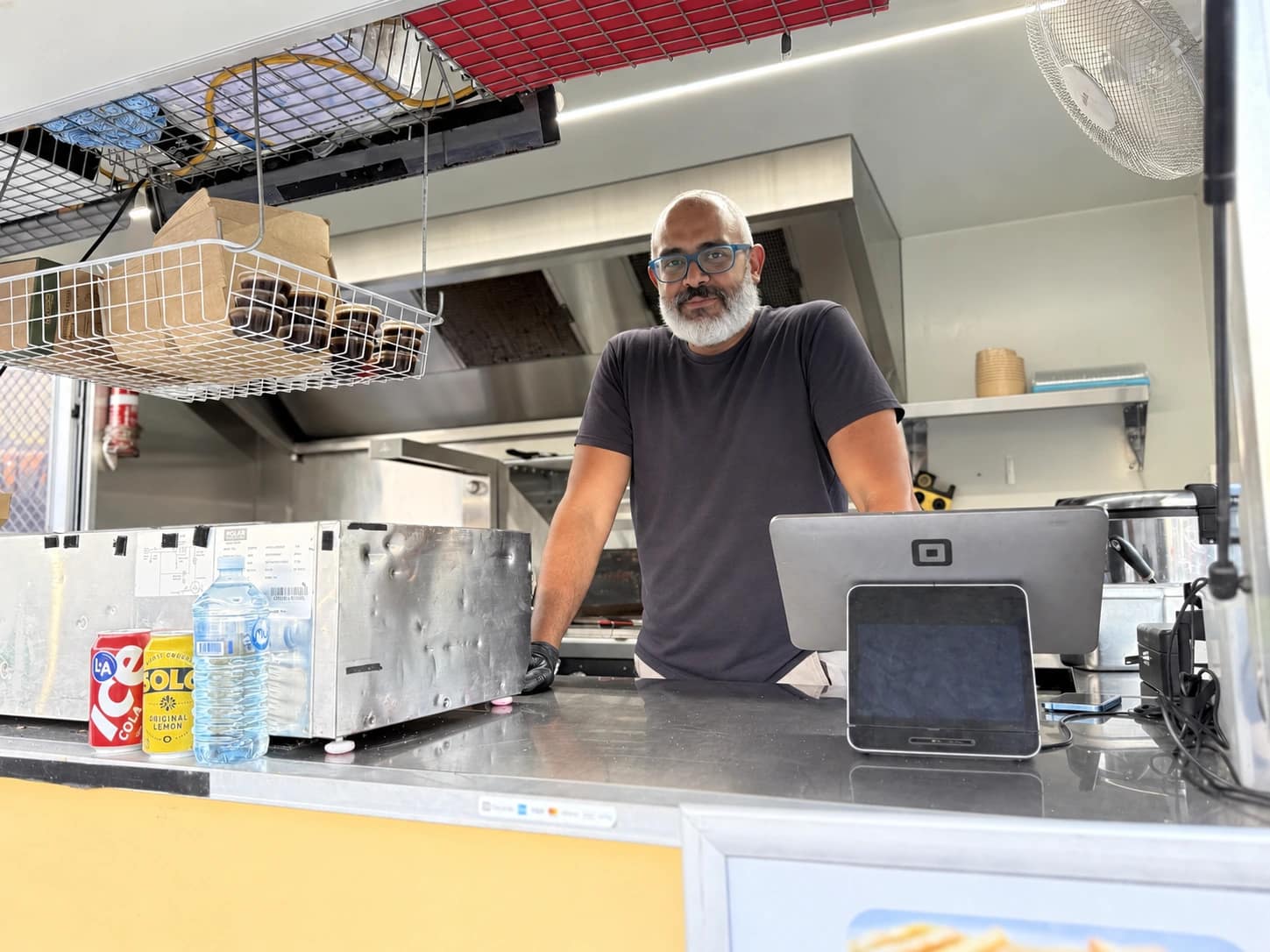
The customer who changed his mind
One of the customers Mohamed remembers most had not planned to order falafel.
Standing near the truck, the man warned his friend that falafel was dry. Mohamed overheard and asked whether something had been wrong with an order. There had been no order. The customer was talking about falafel he had eaten elsewhere.
Mohamed offered him one to try.
As he recalls it, the customer took a bite, returned to the waiting crowd and announced that he stood corrected. It was the best falafel he had eaten, the man told them.
The encounter stayed with Mohamed because someone had tasted the difference for himself. A food the customer thought he already knew had surprised him. For the family behind The Cairo Eatery, that kind of discovery is a source of real pride.
It also says something about what they hope to do in Brisbane: give people a reason to try Egyptian food with an open mind.
Bringing familiar food to a new home
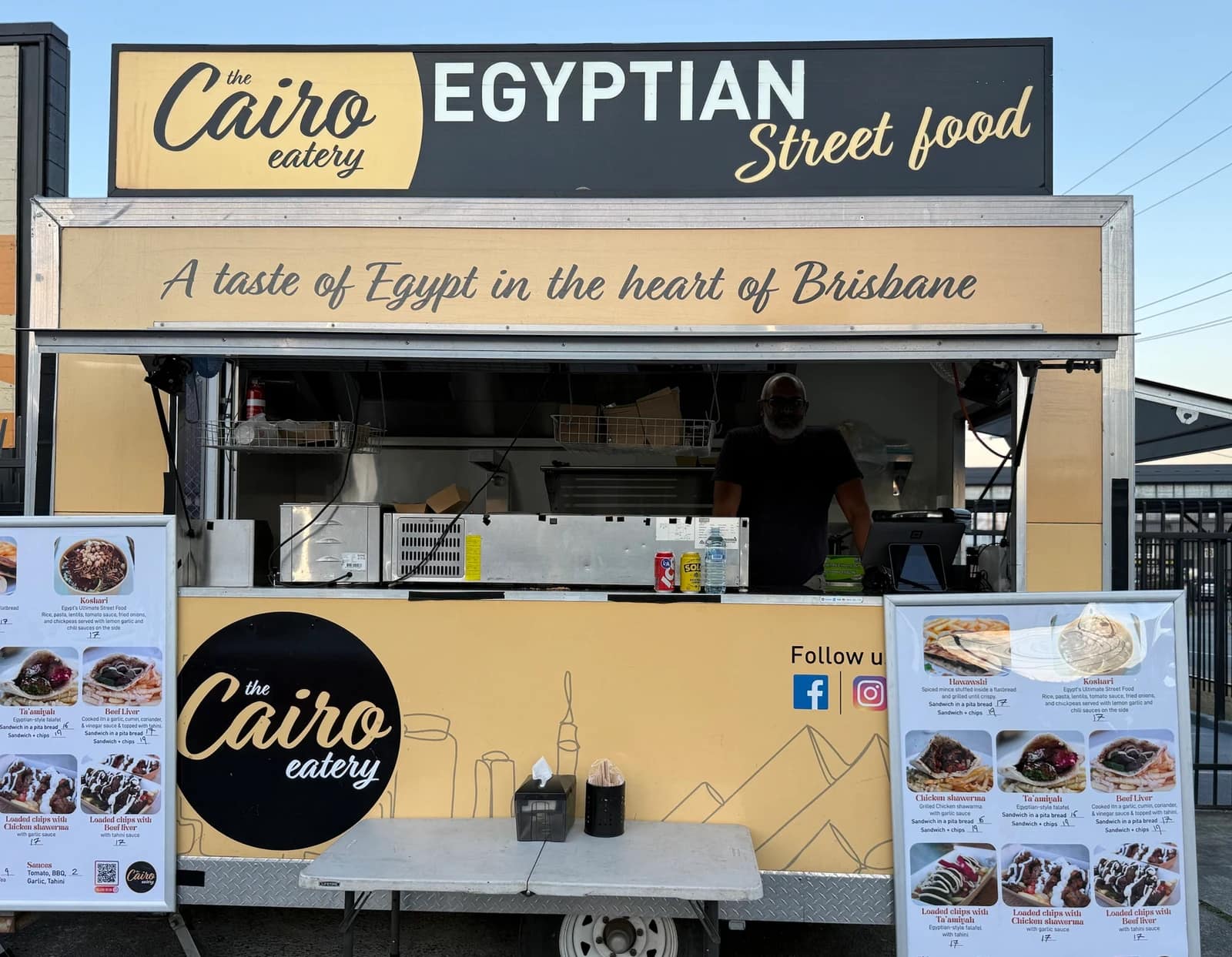
Mohamed says he and his wife arrived in Australia from Egypt in 2016 and started The Cairo Eatery shortly afterwards. Their aim was to introduce Brisbane to an authentic Egyptian food experience.
Ask him to name the one dish everyone should order and he resists narrowing the answer down. There is too much variety, he explains, to fit a country's food into one or two dishes. He wants people to try several things and experience the differences themselves.
That is a useful starting point for anyone approaching the truck for the first time. A recognisable name might help you choose, but it cannot tell you everything about the way a family prepares it or the place it comes from.
The falafel story is one example. Mohamed describes their ta'amiyah as Egyptian-style falafel, with ingredients and a recipe that distinguish it from versions people may have tried before. His invitation is to taste it and make up your own mind.
The dish that brings him home
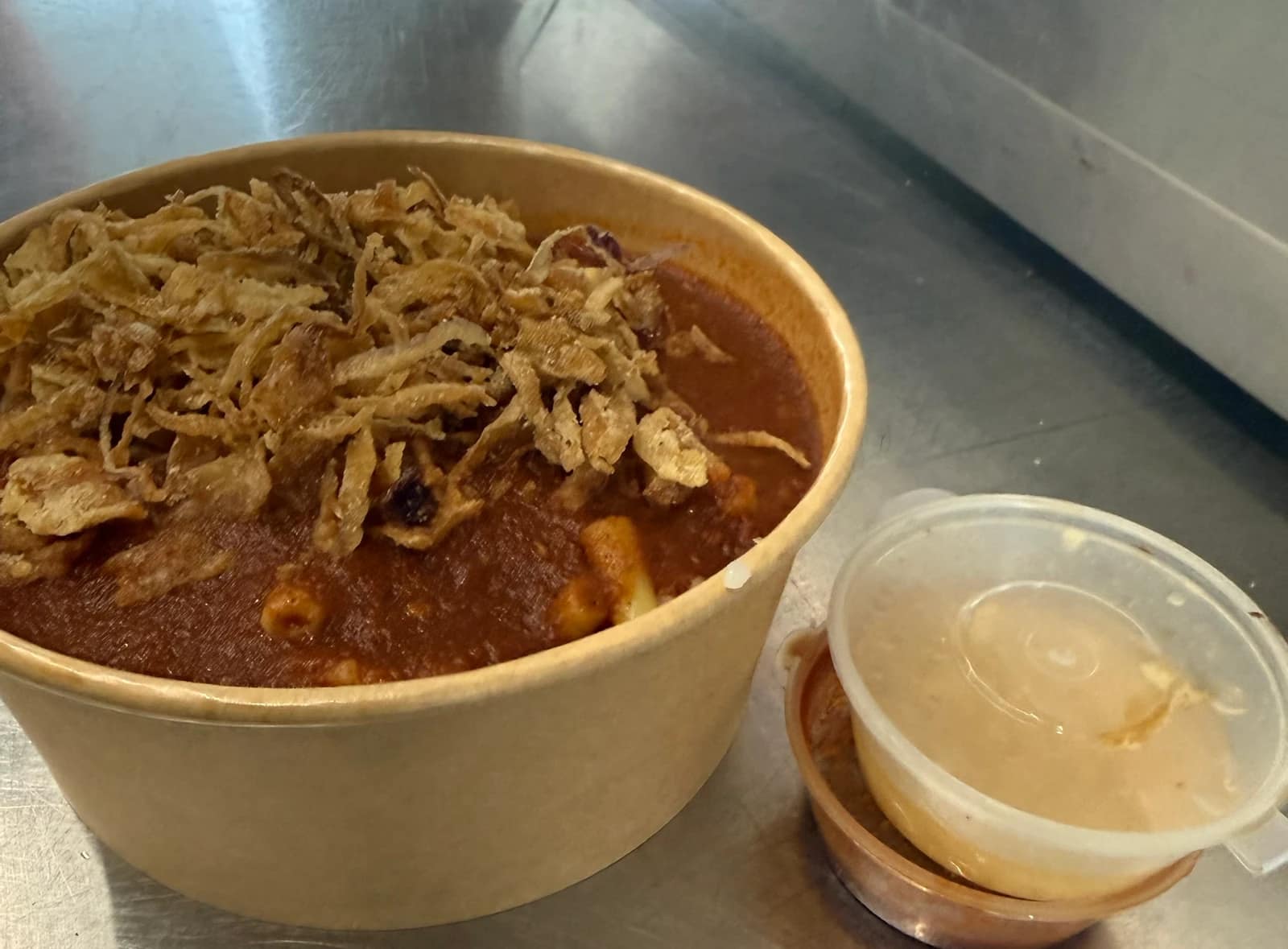
When the conversation turns to the food that reminds him of home, Mohamed's answer is koshari.
He describes rice, pasta and lentils with their signature tomato sauce. When asked what makes it distinctive, he points to the recipe. The conversation gets no further into its secrets.
There is homemade chilli sauce to go with it, too. Mohamed makes a point of warning that it deserves a little care. It is another detail in the experience he wants to share, alongside the dish itself.
Then there is hawawshi, which he describes as minced meat grilled inside bread. It offers another expression of Egyptian food alongside the koshari and ta'amiyah.
As he talks through the options, he keeps returning to the same idea: each dish offers something different. For a newcomer, ordering is a chance to begin exploring, with the person serving the food there to explain what it means to him.
The work before the first order
Mohamed is candid about how much effort the business takes.
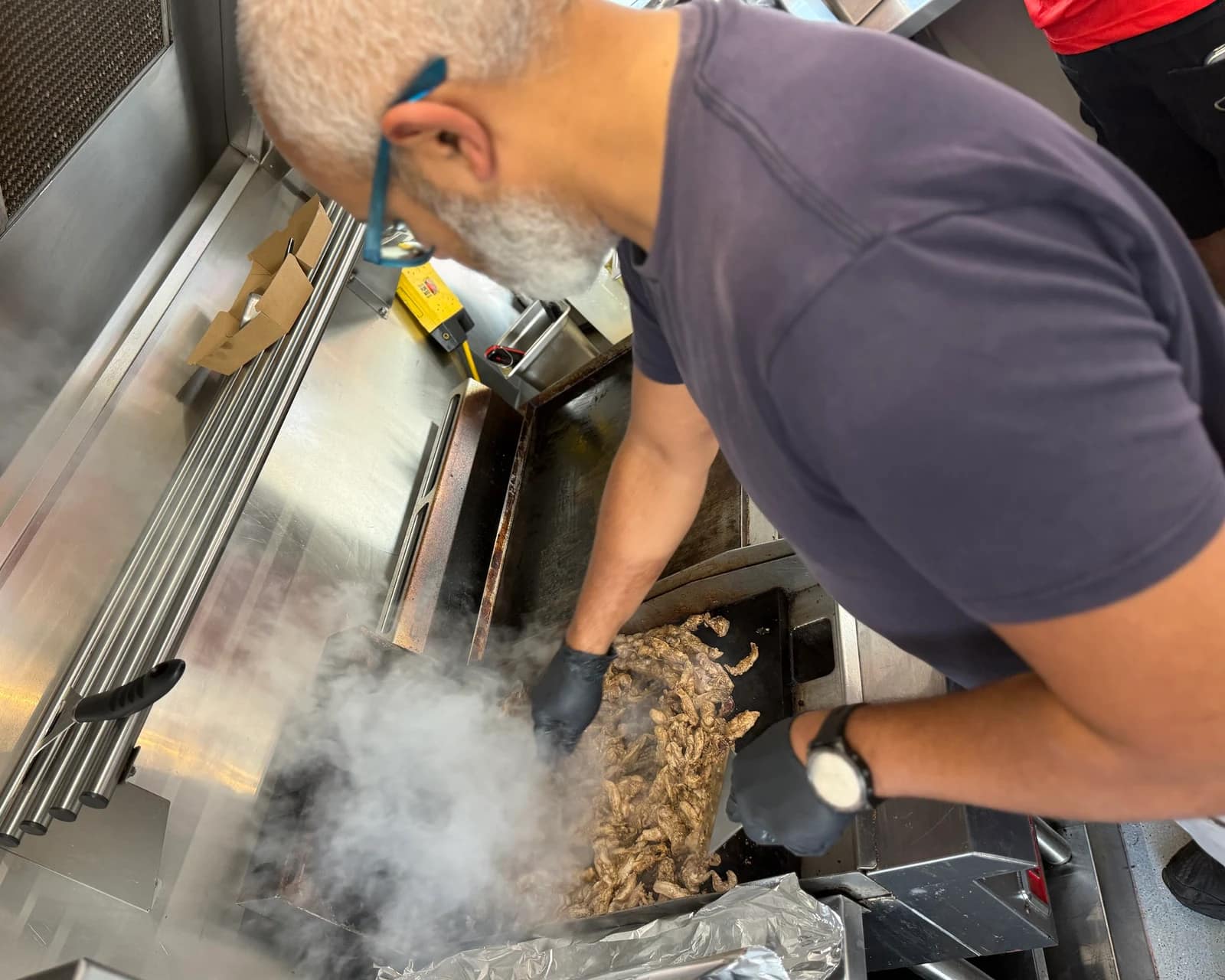
In the early days, he says, they attended many markets and learned through trial and error. There was preparation, a market to work, the return home and then another round of preparation. Some days went well. Others did not. Even a market that usually performed well could be unpredictable.
That uncertainty is one of the challenges he thinks people might not anticipate when starting a food business. The work goes into getting ready, while the outcome can still vary from week to week.
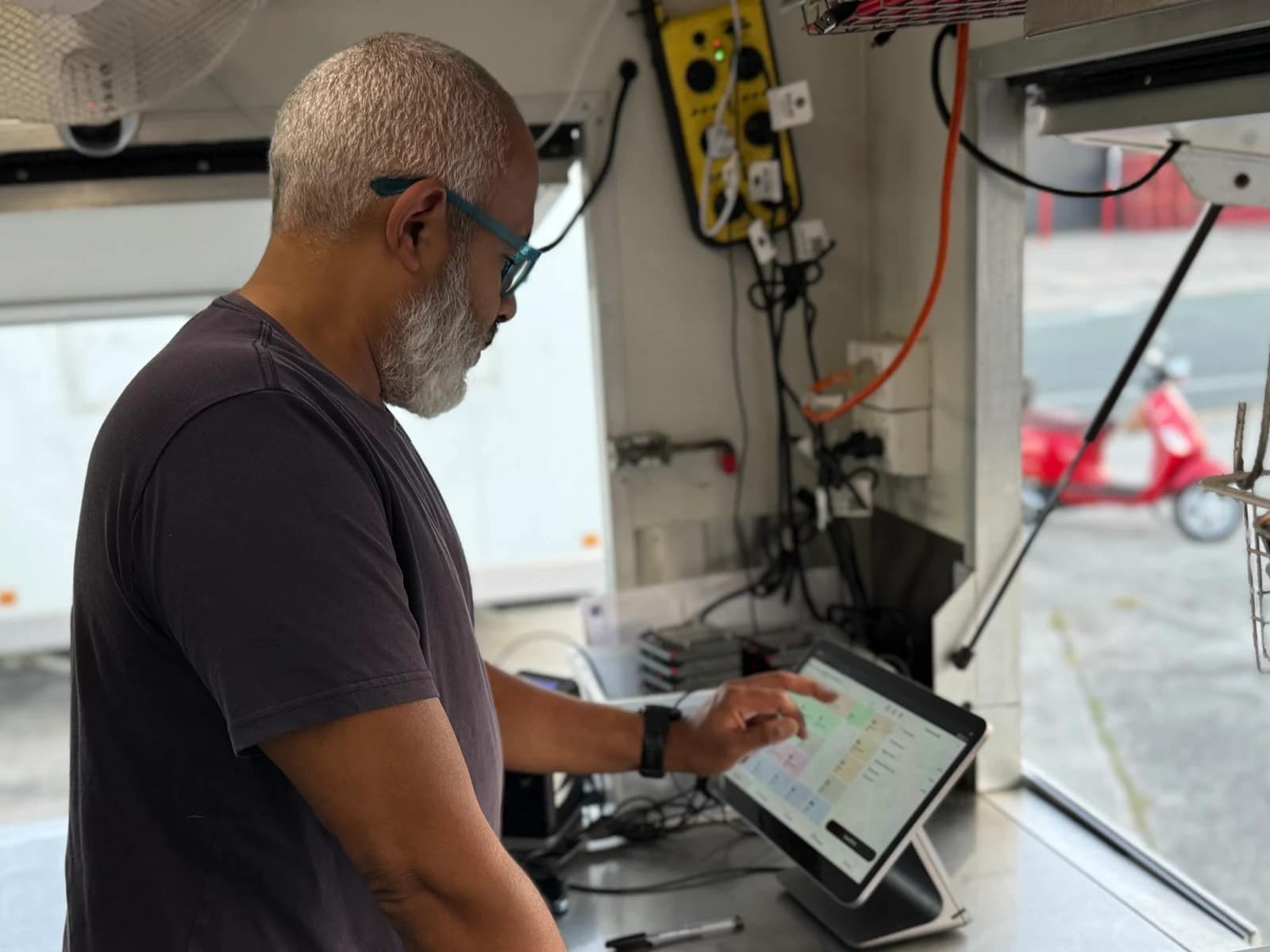
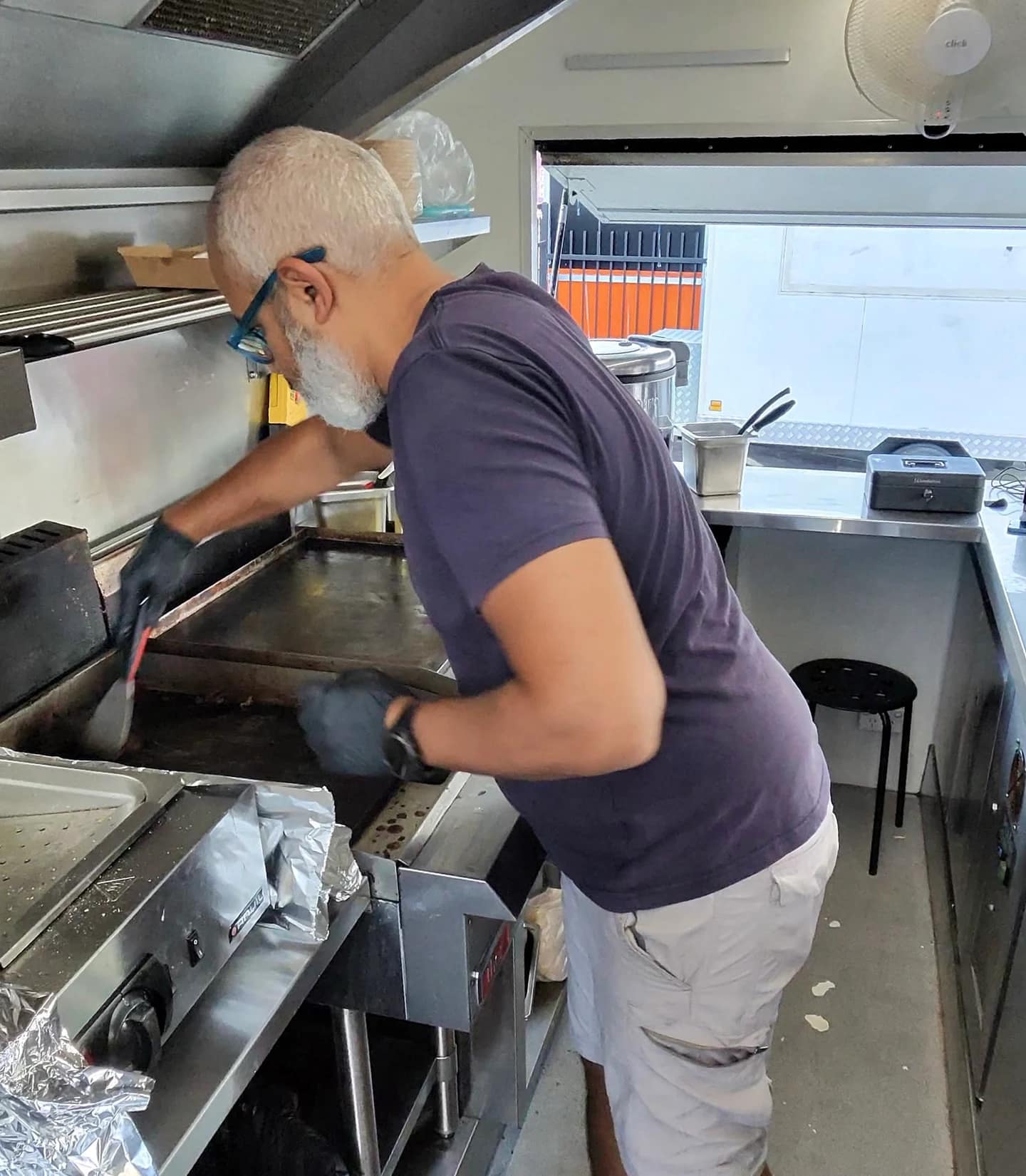
He also mentions the practical difficulty of preparing food in a confined space. Customers see the order being handed over. His account fills in some of the less visible work that makes that moment possible.
Family on both sides of the working day
Working with family helps. Mohamed speaks about the trust, familiarity and understanding they bring to the business. He also acknowledges the bickering.
His children are paid for their work, he says, but the distinction between being a parent and being an employer does not always hold neatly. Family relationships carry into the workplace, and the boundaries sometimes merge.
It is an honest part of the conversation. The business draws on the closeness of a family while asking them to work together through the pressures of service and preparation. Both things can be true at once.
An invitation to try something new
Mohamed sees a particular appeal in gathering around food trucks: being outdoors, having different flavours nearby and sharing the space with other people. He talks about the atmosphere, the fresh air and the chance to change the setting of an ordinary meal.
His closing invitation extends beyond his own counter. He wants Brisbane to support small businesses and try unfamiliar food at least once. He describes people cooking the food of their home countries and offering others a way to experience it.
At The Cairo Eatery, that introduction might begin with the koshari that reminds him of home, a hawawshi or a ta'amiyah that challenges an old assumption.
He has already seen what can happen after one first bite.