The work behind the counter
Behind the counter, the story begins with a chopping board.
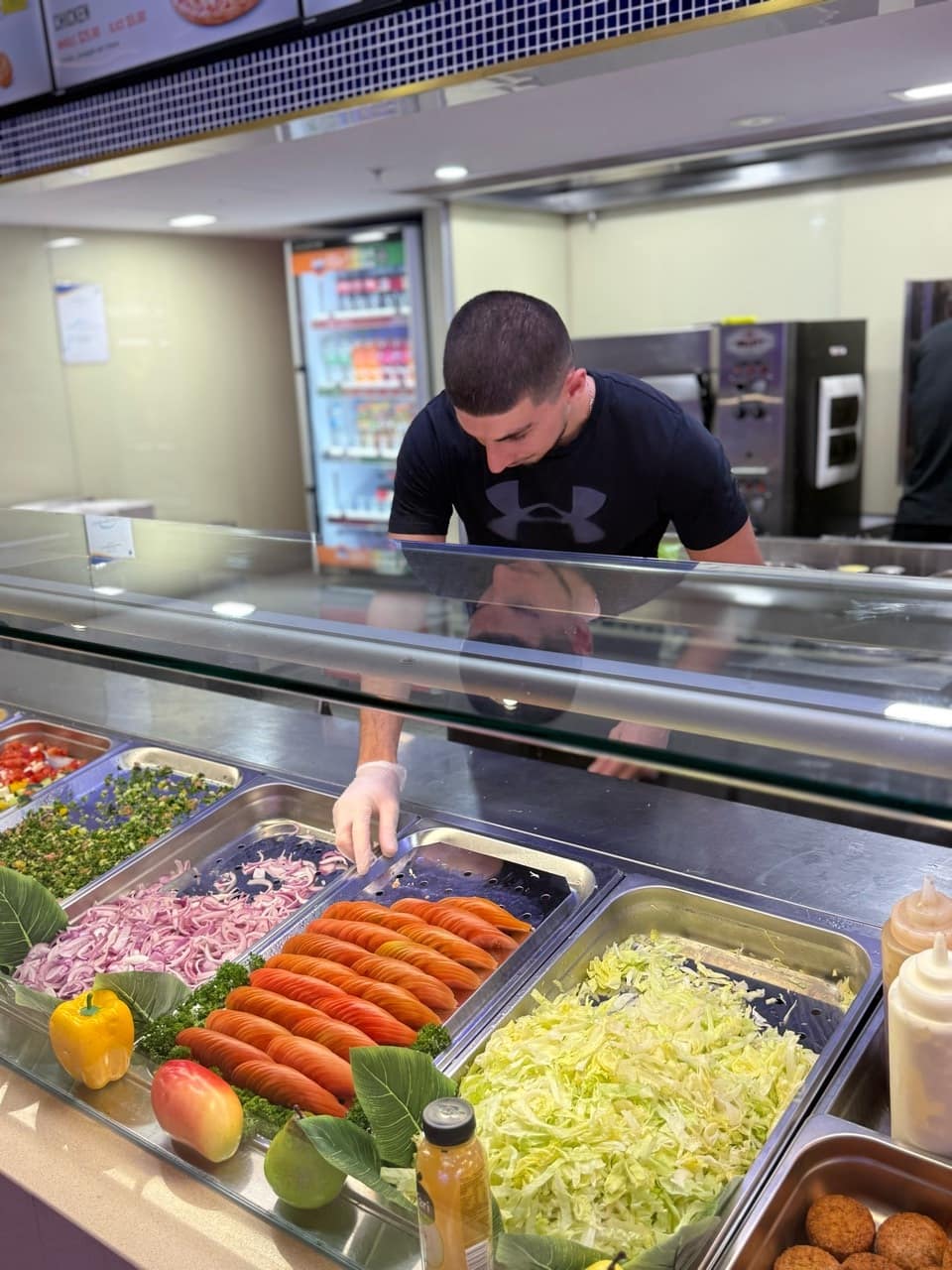
As we speak, Muhammad Ali continues preparing meat in the Ozi Yiros kitchen. There is a knife in his hand and work still to be done. It is a fitting setting for a conversation about the difference between knowing a job and taking responsibility for a business.
He knows this kind of work. He says he started working in kebab shops at about 15, while still at school. Now, in his early twenties, he is running his first business, and discovering that experience behind the counter is only part of what ownership demands.
Learning the job, then learning to lead
His route here was not completely straightforward. He describes a three-year stonemasonry apprenticeship before returning to hospitality. Later, he spent about two years managing a kebab shop, saving money before getting the opportunity to open his own.
That history gives him confidence in the practical work. He enjoys knowing the shop inside out: what needs preparing, how things run and what he is doing with his hands.
Being responsible for other people is a newer lesson.
Having spent years as an employee, he is now learning how to lead a team. He wants to keep relationships friendly while still being clear about the work that needs doing. It is a shift he talks about honestly, without pretending he has already worked everything out.
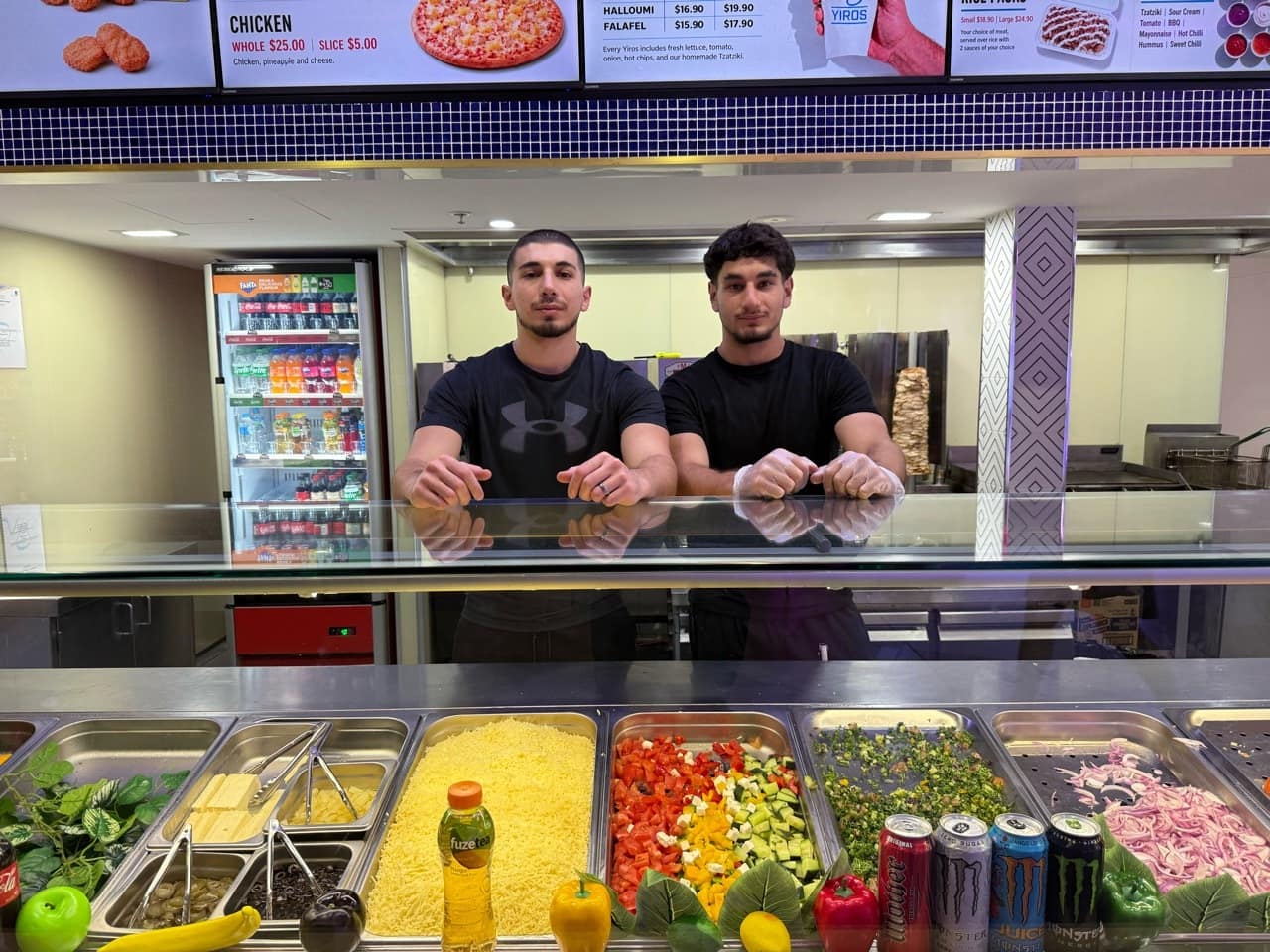
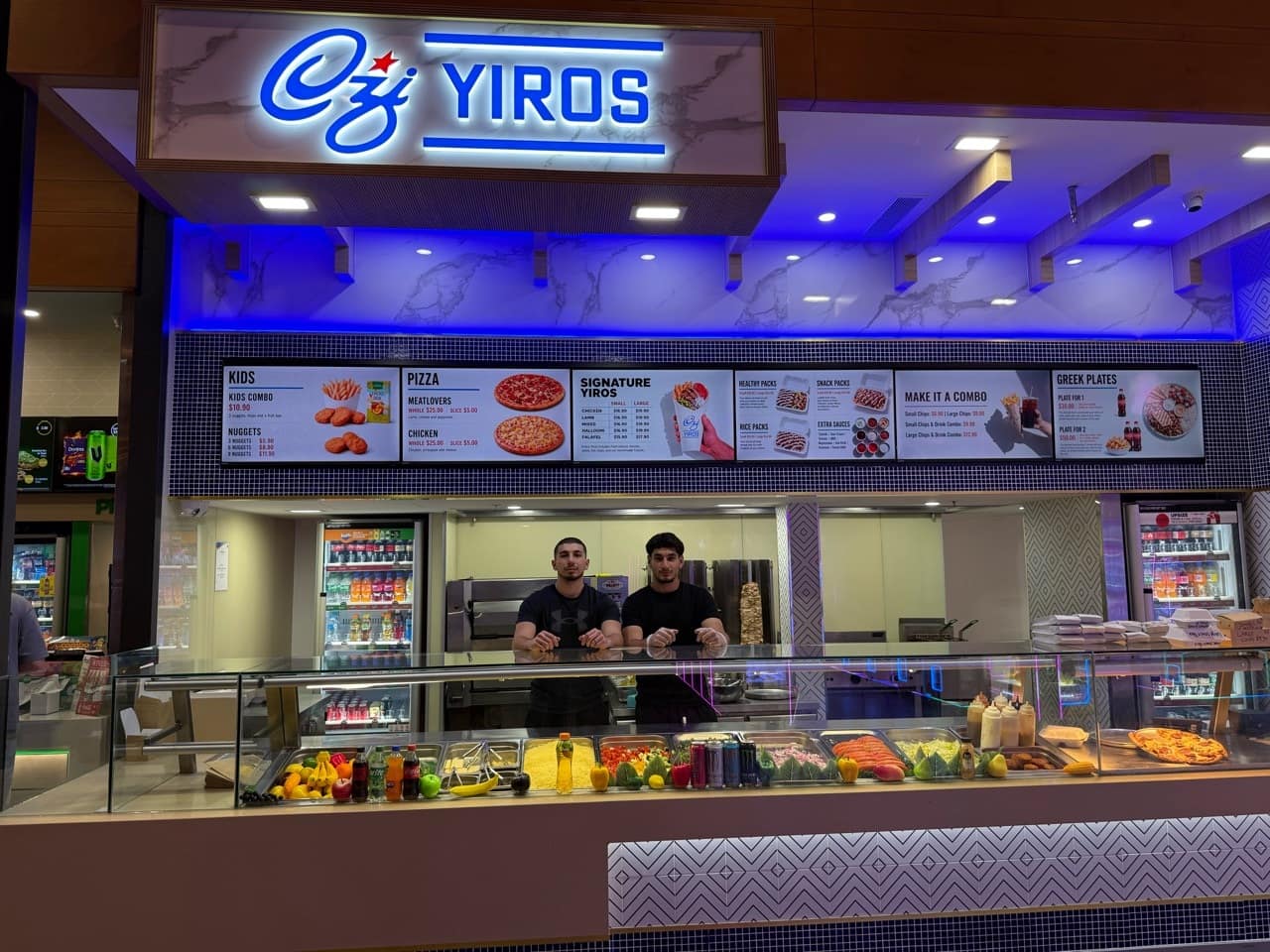
His brother works alongside him in the shop. In the photographs from our visit, the two stand together behind the counter.
What goes into the lamb
Ask about the food and the conversation becomes more certain.
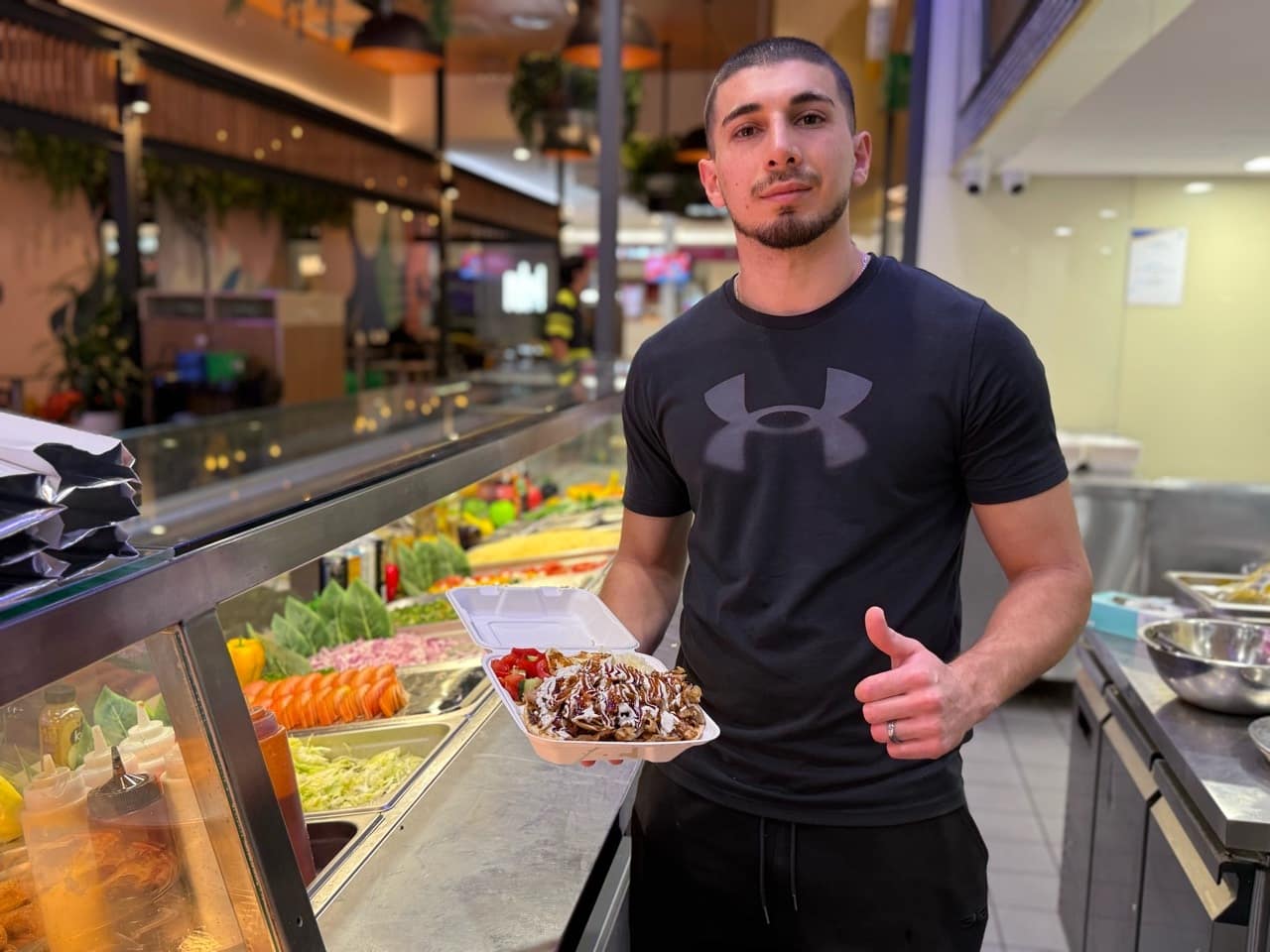
He describes the business as a Greek fast-food restaurant, with lamb shoulder prepared by hand in the shop. According to him, the team prepares and marinates the meat themselves, leaving it in the marinade for more than 24 hours.
The preparation is central to how he explains the food. When asked what someone should order on a first visit, his answer is lamb gyros: a straightforward combination of lamb, lettuce, tomato, onion and garlic sauce.
It is the dish he is particularly proud to serve. He tells us about a customer who came back after trying it, looking so surprised that he initially worried something was wrong. Instead, he says, she wanted to tell him how much she had enjoyed the meat, and that she would return.
It is a small moment, but one he has remembered.
His father’s influence
There is also a personal reason this work matters to him.
His father worked in meat manufacturing. Since his father’s death, preparing meat has become a reminder of both that experience and the guidance he wishes he could still ask for.
He describes feeling close to his father while doing the work. His father knew this profession; now he is learning his own way through it, with that influence still present.
For Ali, the work in front of him is connected to someone who continues to matter deeply to him.
The hours customers do not see
From outside a busy takeaway, it can be easy to mistake a stream of customers for an easy business.
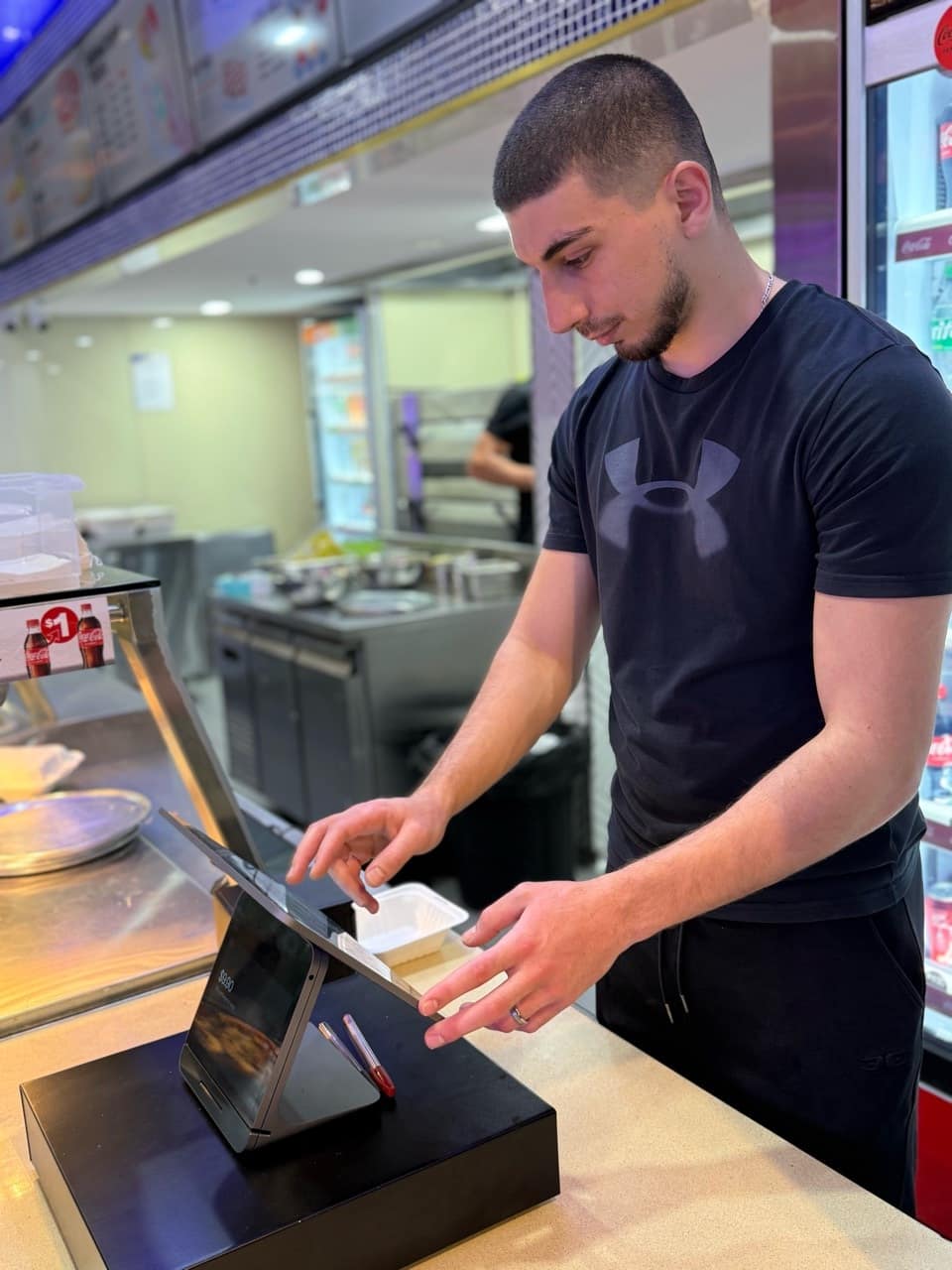
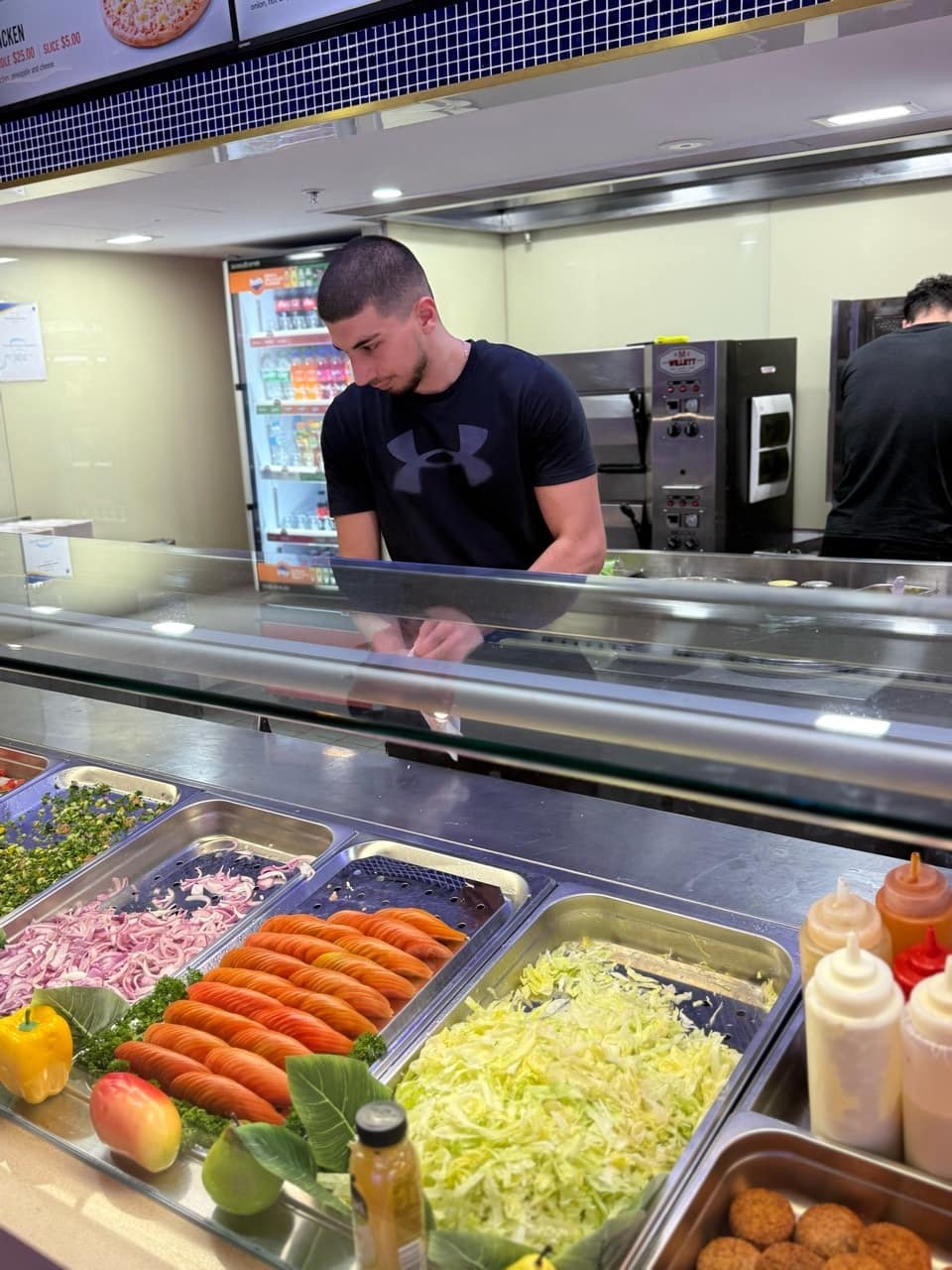
He sees the other side: stock costs, invoices, rosters, staffing and the ongoing work of understanding how everything fits together. A quiet spell does not necessarily mean time off. There is usually something else to check or organise.
Football remains an outlet. Once a bigger ambition, it is now something he plays for enjoyment around the responsibilities of work and family.
He would like to grow in hospitality, but he is still learning what ownership asks of him. His advice to another young person considering the same step is not a simple invitation to jump in. It is to think carefully about the responsibility.
He is grateful for the opportunity. He is also honest about how much there is left to learn.
For now, that is the story behind the counter: someone with years of experience doing the job, learning how to make the business his own.