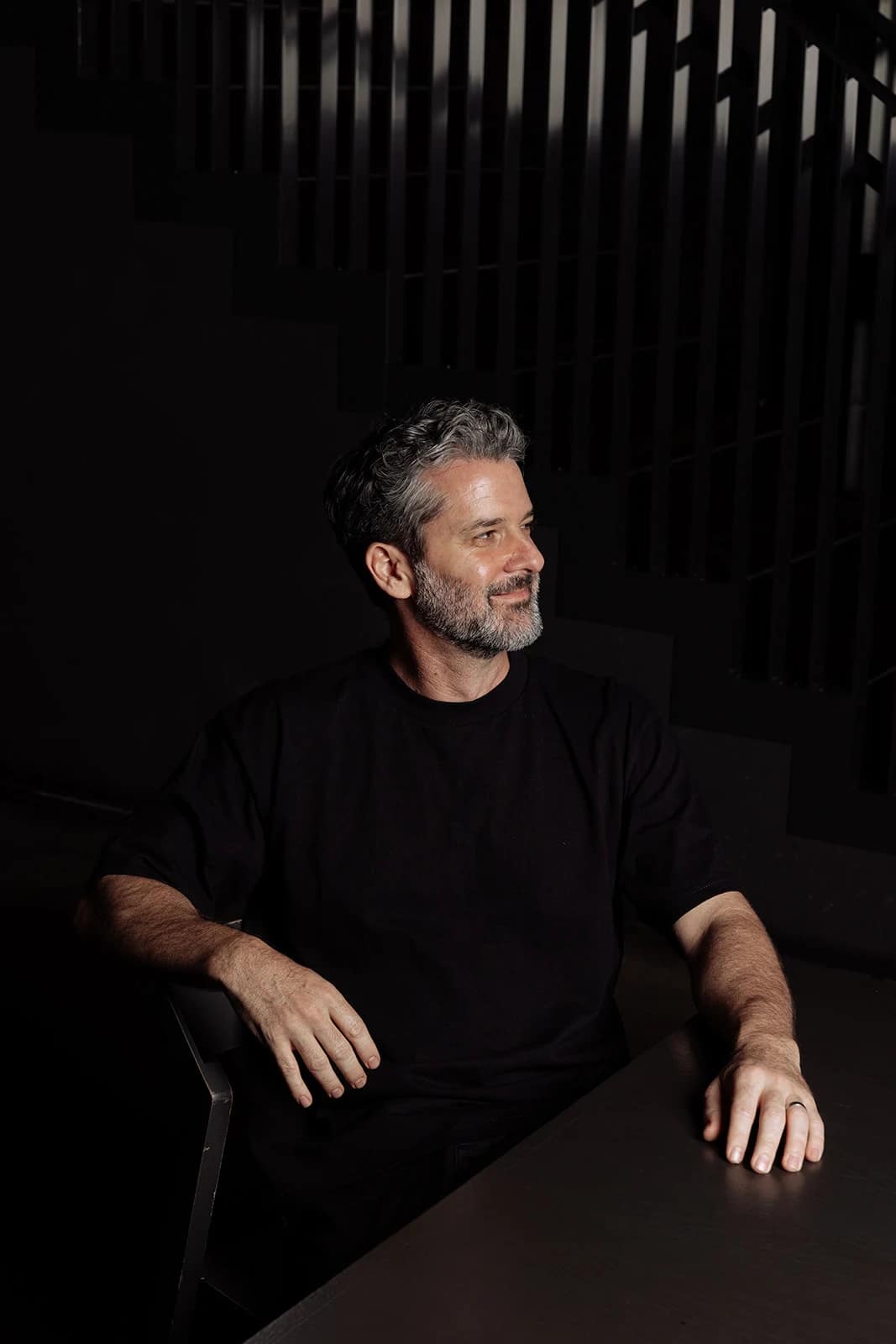
Ben Williamson says he used to think maintaining standards meant being personally involved in everything. Looking back, he sees how that could become the thing preventing other people from developing.
“I probably would have learned to delegate earlier.”
In written answers to Brisbane Food Guide, Anyday's co-founder and culinary director describes a shift in how he cooks and leads: less need to demonstrate his own skill, more room for other people to use theirs.
He offers a pointed example of how a chef's attention can end up in the wrong place.
“You can spend four hours worrying about a sauce and completely ignore a systems problem that’s costing the business thousands of dollars a week.”
His answer is structure: financial discipline, proper communication and clear responsibility. In his account, those things create space for creative work because the team spends less time dealing with problems. Standards still matter. The task becomes teaching other people what they are, rather than assuming he has to do everything himself.
Someone else's fingerprints
At Agnes, Williamson points to a change that came from someone else. Aga, whom he identifies as the restaurant's sous chef, brought Indonesian influences to the duck dish. Williamson credits that contribution with improving it.
“I want people to feel like they can leave their fingerprints on things.”
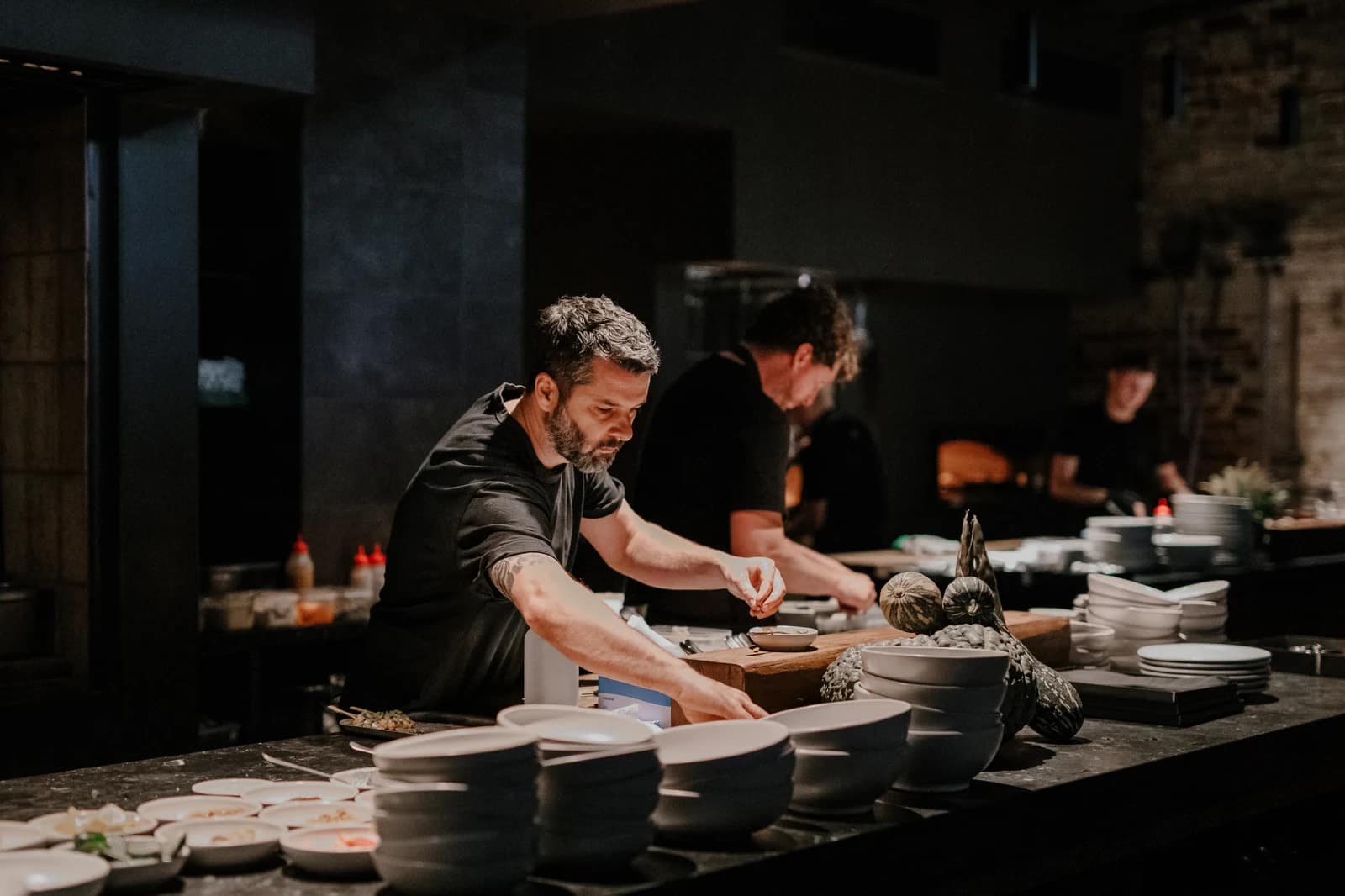
He describes head chefs having considerable autonomy, with his role being to train and guide them within the character of each restaurant. He does not claim to know more about Thai cuisine than Arté Assavakavinvong, head chef at sAme sAme. He sees his own contribution in helping refine the work through collaboration.
Those limits matter to him. Anyday has never wanted to make six versions of the same restaurant, he says, even if repeating a formula might be commercially easier. Food, building, music and service need to belong together. The freedom he describes sits within a clear idea of what each place should be.
Less to prove
A similar change shows up in his cooking. Looking back at Gerard's, Williamson remembers being younger, ambitious and more inclined to demonstrate technique. Some dishes carried deliberately challenging combinations, fermentation, spice, acidity and many components.
He remains proud of that period, including the simpler staples. But he says he no longer feels the same need to prove so much.
“I’m more comfortable taking things away.”
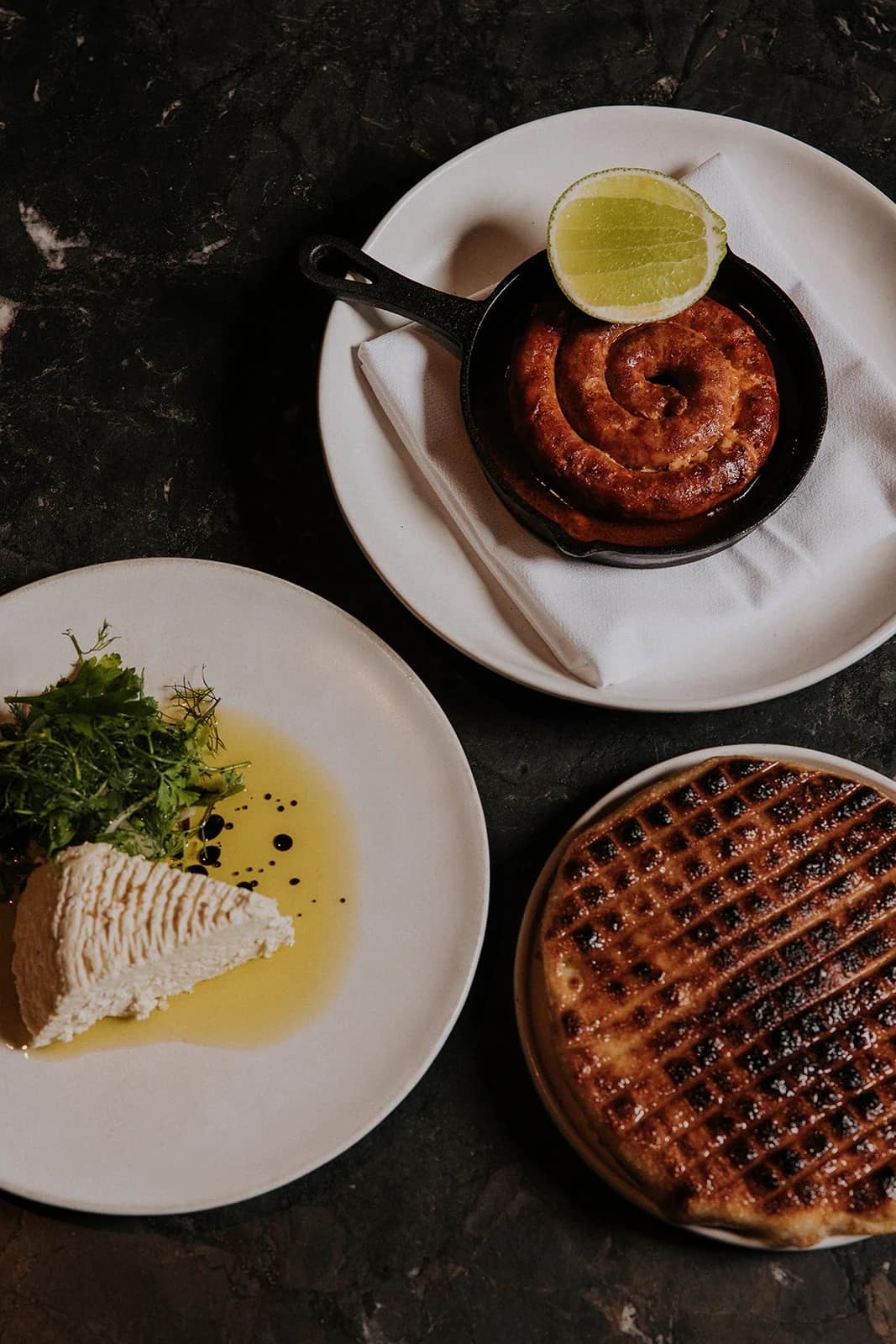
At Golden Avenue, his example is bread. In his answers, he describes three breads that are fundamental to how the meal is eaten. Something to drag them through, something grilled properly, pickles and herbs can be enough. He does not necessarily want another six things on the plate.
Returning to Middle Eastern cooking also meant deciding what to leave behind. Golden Avenue gave him an opportunity to work with that food again, he says, but he saw no point in recreating what he had done in previous roles.
What the whole meal needs
Changes to the Agnes menu brought another test of a chef's perspective. During development, Williamson says, it is easy to focus on individual dishes. A guest might eat eight or ten things across a meal while drinking and talking. By the fourth course, they are experiencing something quite different from an isolated tasting.
He had returned towards the original idea of Agnes: a broader menu, more choice and more ways to eat. Service reinforced the need to understand how guests would navigate it. A collection of good dishes still needs progression.
He points to chilled cucumber as a moment of freshness beside richer food, retaining a touch of flame. Acidity, temperature and texture all affect how one plate follows another.
There are, however, judgements that cannot be settled in advance. At Agnes, the wood, coal bed, airflow and amount of food over the fire keep changing the conditions.
“You’re constantly managing energy rather than temperature.”
With fish on the bone, he says, the cook has to read its thickness, the strength of the fire, what is happening to the skin and how much cooking will continue once it comes off the heat. Learning that takes hours in front of the fire. A recipe can give a cooking time; the person standing there still has to make the call.
Room for the guest
When asked which moment best captures what he and his partners wanted to build, Williamson returns to Agnes during the pandemic. Work and savings had gone into the space. Faced with uncertainty, the team was testing sourdough and decided to bake through the night and sell baked goods. He remembers the whole team coming together around it.
The memory he chooses is of a community experience. He says bringing people together was always part of the intention, for staff as well as guests.
He also credits Brisbane's wider restaurant community with shaping him. In his account, chefs coming through at a similar time knew each other, ate in each other's places and tried different things. What he values is the city's ability to take food seriously without all the ceremony that can surround it.
For someone saving up for a meal, he says, the responsibility to make them welcome belongs to the restaurant.
“Hospitality shouldn’t require you to understand some secret language of restaurants.”
Asked what he would want Anyday to be known for if it never opened another venue, Williamson wants its restaurants to have mattered individually. He hopes people remember where they sat, who they were with and how the place made them feel.
That means paying attention to people whose evenings may have little in common. In the picture he describes, an ordinary Wednesday dinner can happen beside a first date or a birthday celebration.
His practical instruction to the team is to read the table. Some guests want to hear everything about the food and wine. Others want to celebrate with the staff. And some simply want to be left alone with the person they came to see.
This story is based on Ben Williamson's written answers to Brisbane Food Guide, supplied by Anyday's media team on 7 October 2026. Photographs supplied by Anyday, with individual photographer credits.
For venue information and reservations, use Anyday's official website.
The restaurants
Anyday venues on Brisbane Food Guide
Visit Anyday's official websiteShare this story
Pass it on.
Send this founder story to a friend, save the link, or share it from the venue.
More founder stories
- Fatty Patty was meant to be simple. The brothers had other ideas.
A steak sandwich they had to rethink, a smoker they debated buying, and three brothers whose different strengths keep bringing them back to the same table.
- The Shake Up: preparing before the turnout is known
Atiana wants steadier work for the burger truck she had long wanted to run. At Logan Eats, she explains the preparation behind an uncertain turnout, and the returning customers who make the business feel personal.
- Good Fudge, Made Together
Sarah and her son Sam on a family fudge recipe, working the trailer together and why online sales matter.