Logan's food scene is easy to miss when you look for the wrong thing.
It does not gather itself neatly into one polished dining precinct. There is no single riverfront strip, fashionable postcode or carefully branded restaurant quarter that explains how the city eats.
Instead, Logan's food culture appears in pieces.
It is found beside train stations early on Sunday mornings, inside suburban shopping strips, behind the windows of food trailers, through bakery cabinets, family restaurants, night markets and industrial areas where some of the city's most interesting businesses operate with little ceremony.
That scattered character is not a weakness.
It may be the most honest thing about Logan's food scene.
A city shaped by 234 cultural backgrounds
Logan is home to more than 400,000 people from 234 cultural backgrounds. Council data also records that 27.9 per cent of residents were born overseas and 18.1 per cent speak a language other than English at home. Food is one of the clearest places where that diversity becomes visible.
It appears through Punjabi charcoal cooking and Korean bakeries. Through Lebanese sweets, Filipino family dishes, Thai street food, Pacific Island flavours, African produce, Japanese takeaway, Indian chaat and the foods that people continue preparing because they connect a new home with an earlier one.
Explore Logan now describes the city's food scene through several distinct trails, including a Sunday Foodie Safari through Underwood and Woodridge, an Industrial Gourmet Cave Trail through Slacks Creek and broader food journeys across Beenleigh, Eagleby, Kingston and Logan Village. That structure reflects an important reality: Logan cannot be understood through one suburb alone.
The scene is a network.
A city in pieces
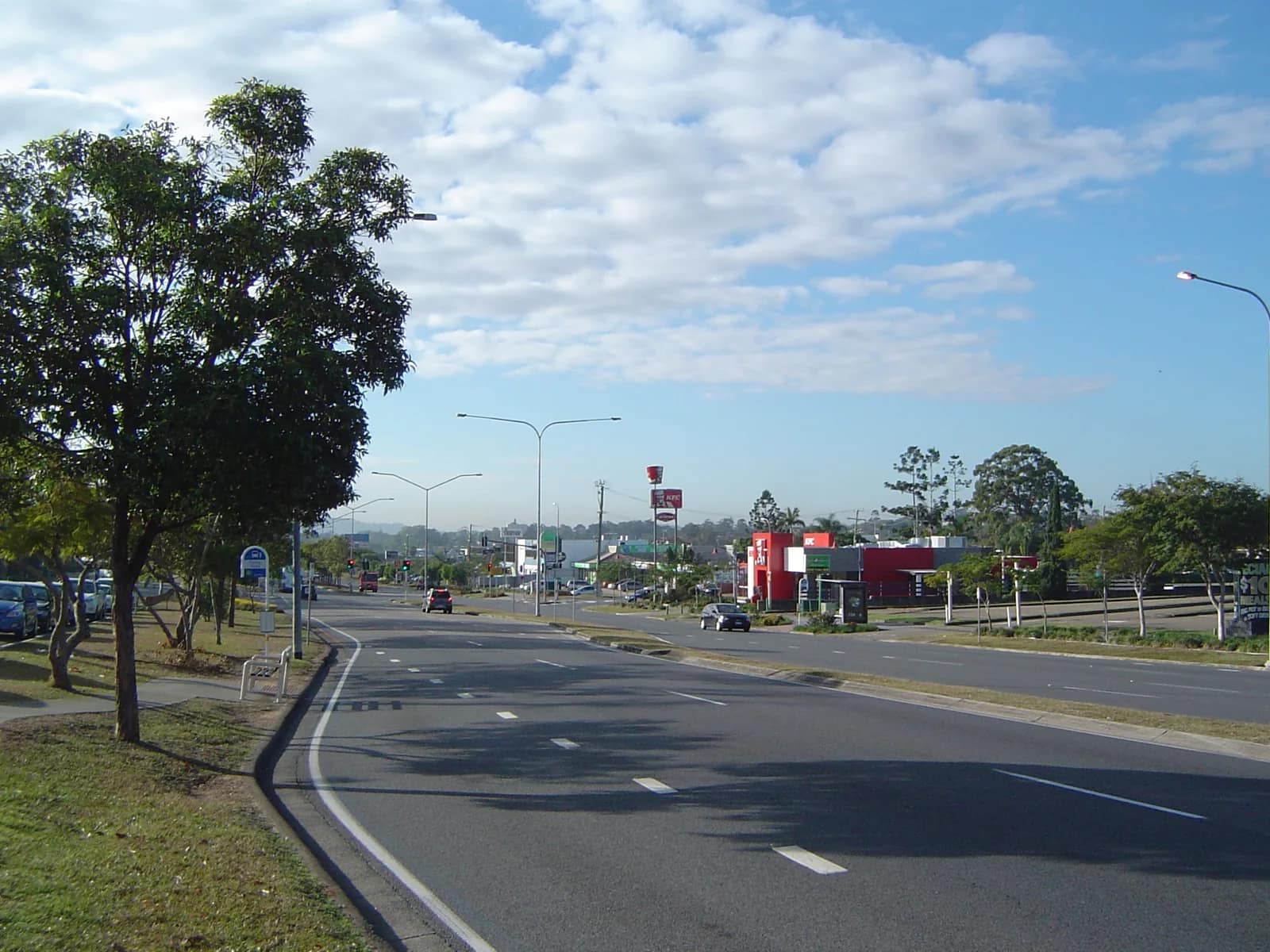
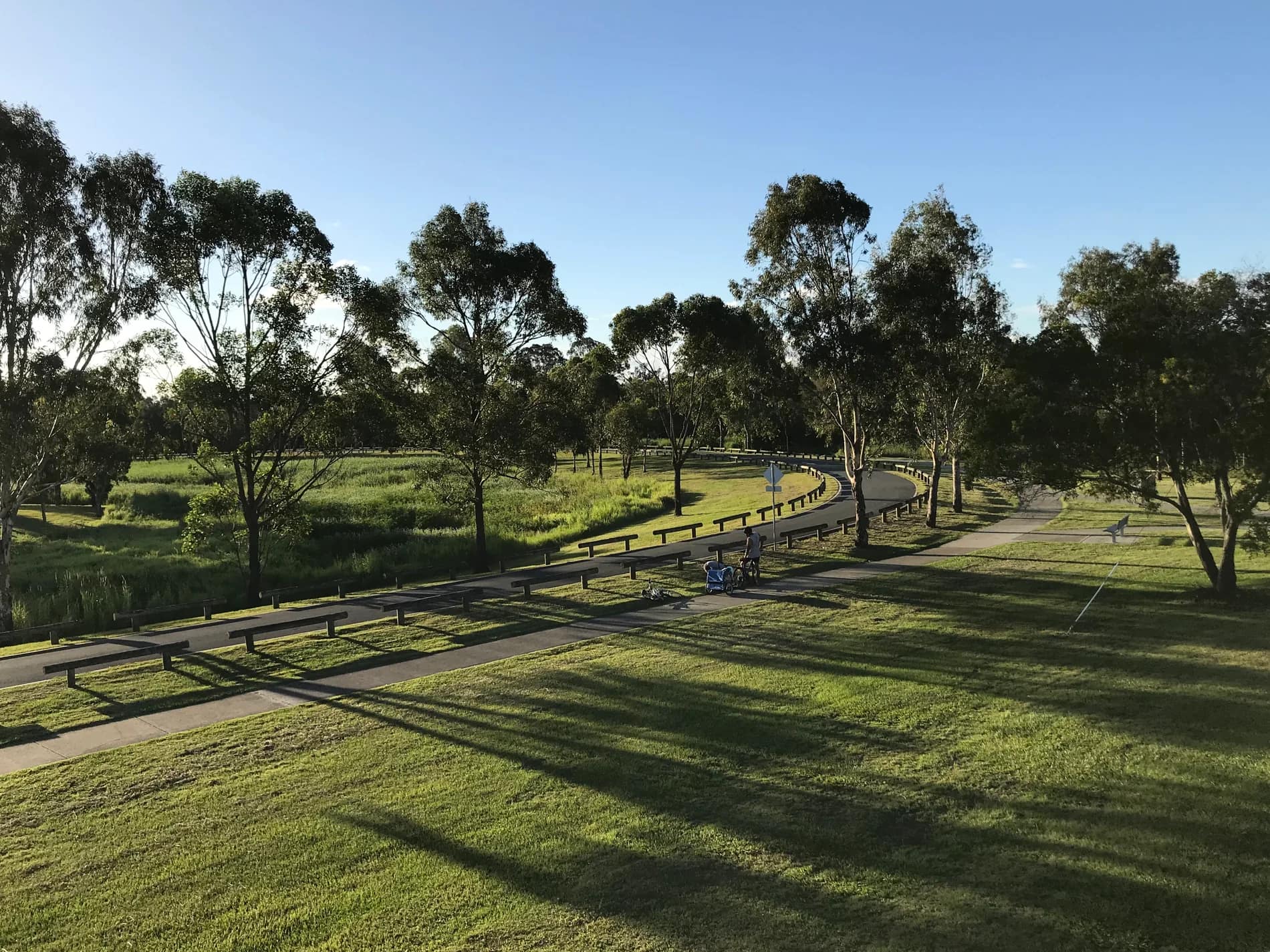
Logan is not one polished precinct. That is the point.
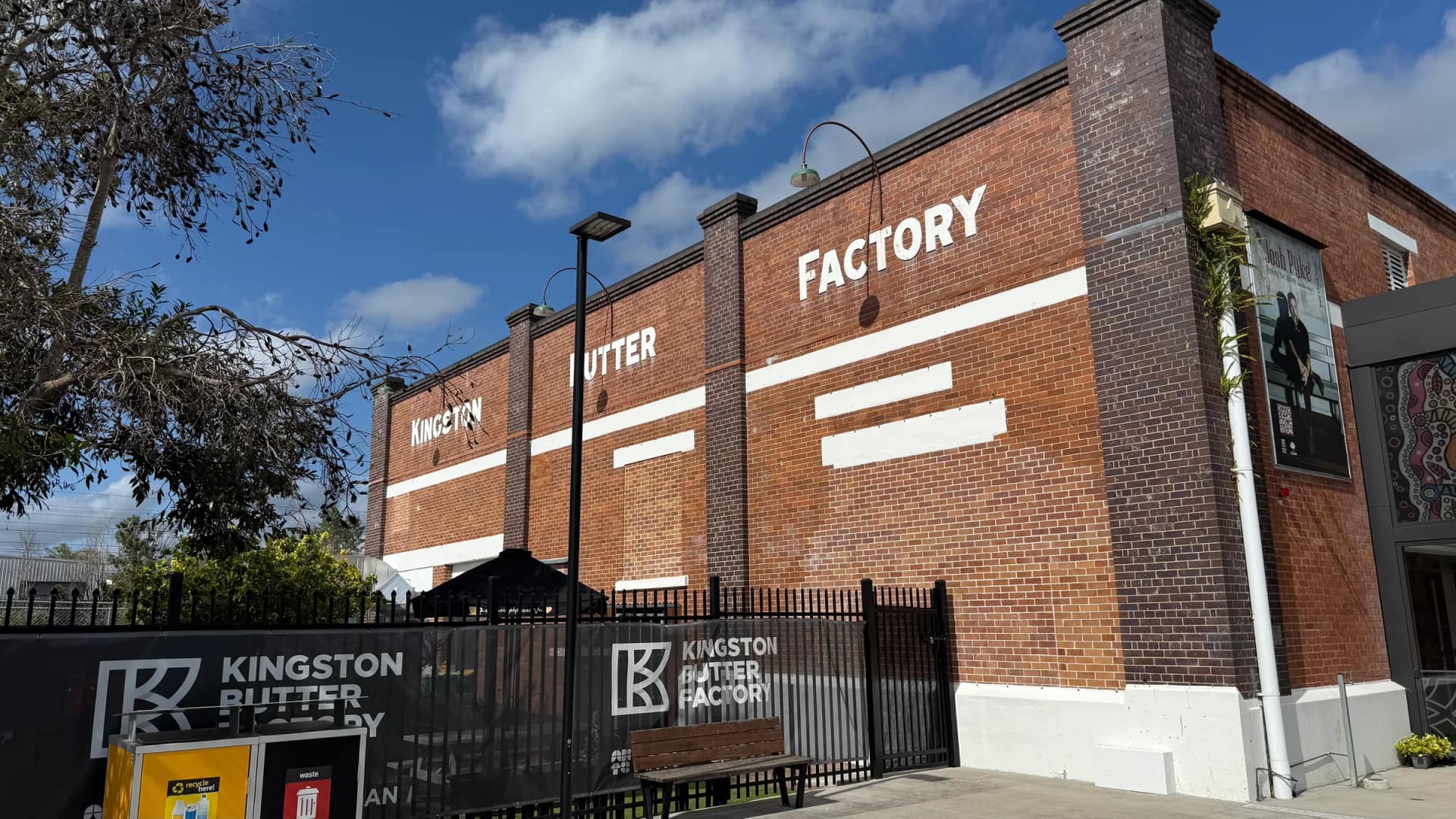
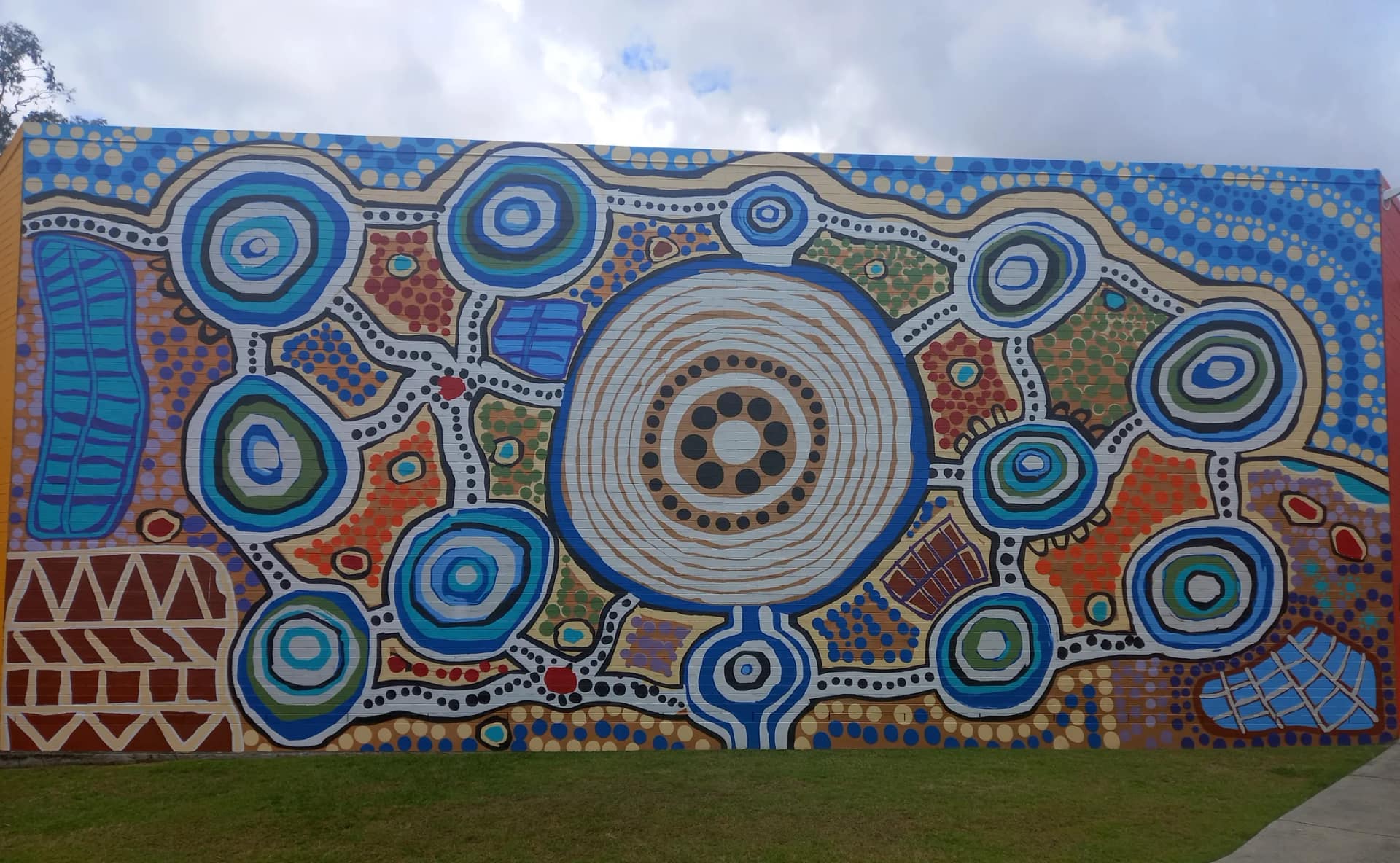
The city moves between cultural centres, suburban roads, parklands, markets and food businesses spread across a wide territory. These place photographs establish that geography; they are not photographs of the named venues in this feature.
From the archive
Food businesses were part of the record long before now
These photographs do not explain today's food culture or prove a direct line to current venues. They do show bakeries, stores and hospitality businesses forming part of everyday trade across the wider Logan district more than a century ago.
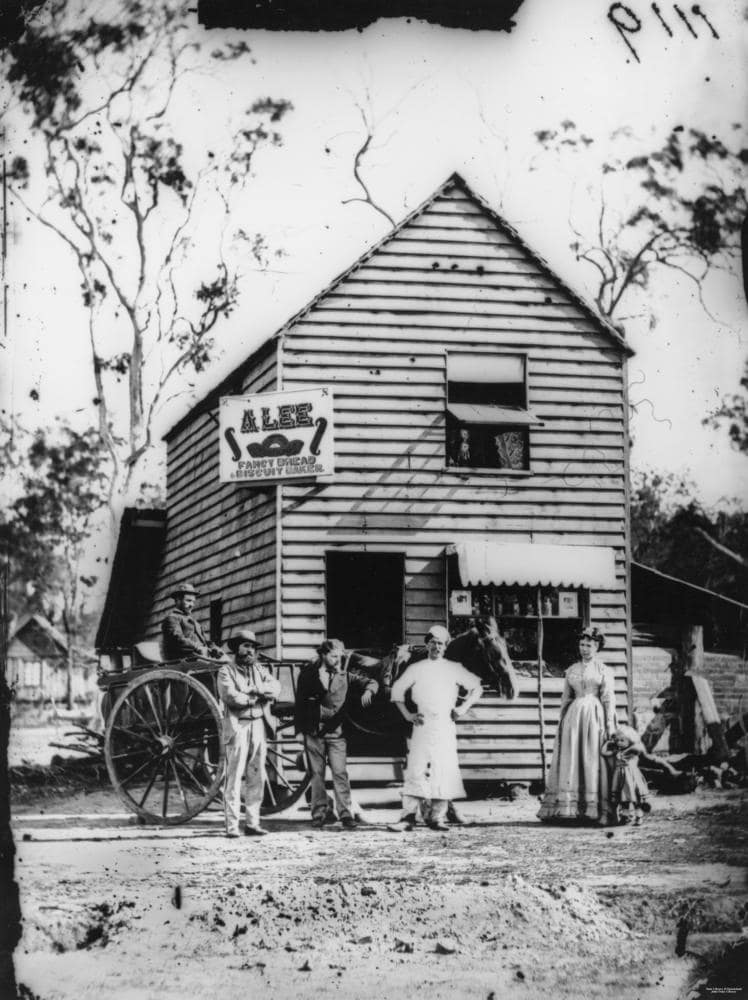
William Boag / State Library of Queensland / No known copyright restrictions / Source record
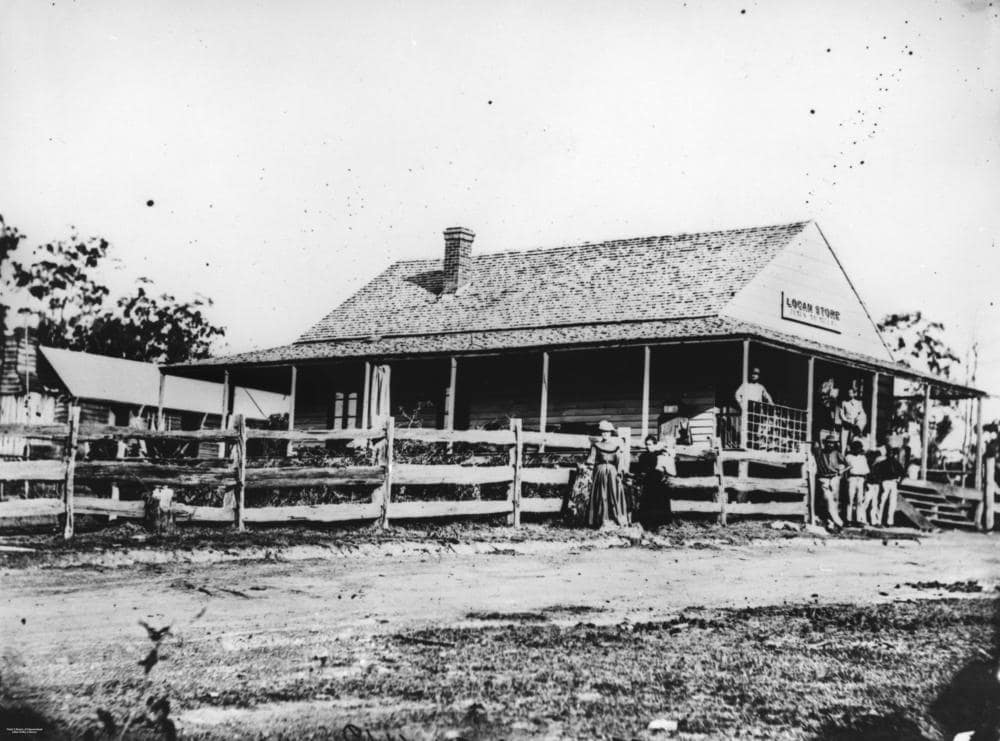
William Boag / State Library of Queensland / Public domain / Source record
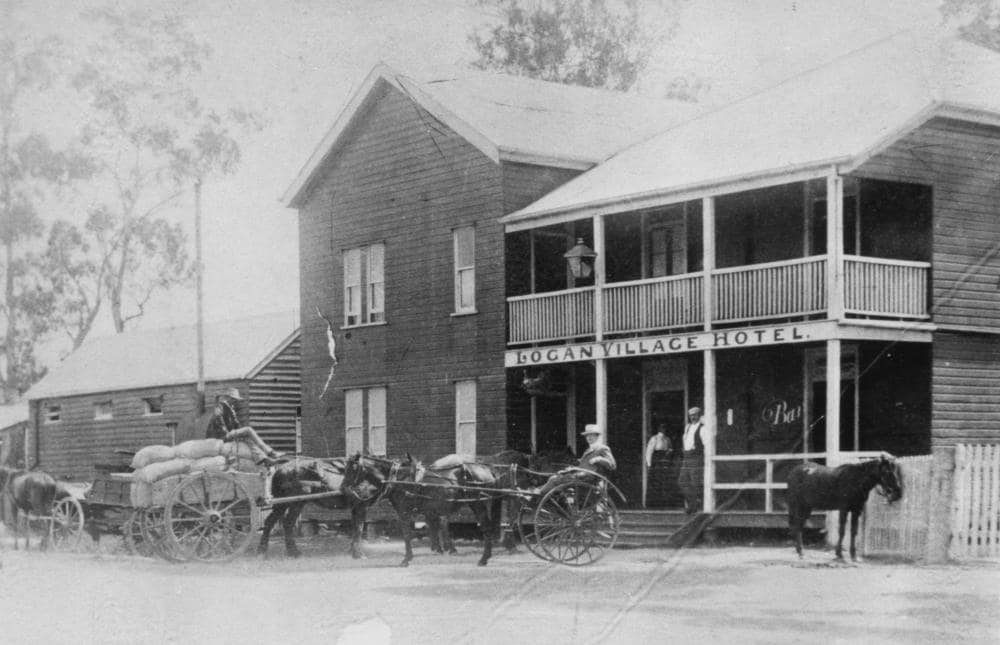
State Library of Queensland / Public domain / Source record
Archival photographs supplied through State Library of Queensland and Wikimedia Commons
Sunday morning in Woodridge
One of the clearest introductions is the Global Food Markets opposite Woodridge train station.
Every Sunday from 6am until noon, Croydon Road becomes a meeting point for produce, cooking and communities from across the city. Visitors can find tropical fruits alongside hot food representing South-East Asian, Indian, African, Pacific Island and Middle Eastern traditions. Entry is free, and the train station sits directly across from the market.
This is not diversity staged for an occasional festival.
It is weekly trade.
Official local reporting has documented Thai doughnuts, Hainanese chicken, papaya salad, pad thai, beef noodle soup and produce grown or sold by residents with stories stretching from Thailand to Sudan and beyond. Some stallholders arrived in Australia as refugees. Others describe the market as a family gathering as much as a place of business.
The market gives Logan something many cities try to manufacture later: a food culture that already belongs to the people using it.
From market tables to suburban kitchens
The same story continues away from Croydon Road.
Underwood and Slacks Creek contain overlapping pockets of Korean, Indian, Middle Eastern and other culturally specific businesses. Explore Logan's current listings include Bake It, a Korean-influenced bakery known for its chubby doughnuts; Sooo Sweet, serving Lebanese and Mediterranean pastries; and Manok Park, an understated Korean restaurant in Underwood.
These businesses are not gathered beneath a single marketing identity. Some sit in shopping complexes. Others operate in places a visitor would never discover by driving through once.
That is part of the appeal, but it is also part of the problem.
The food exists. The digital record is fragmented.
A business may have an Instagram page but no proper website. A menu may be buried inside old posts. Trading hours can change without reaching Google. A founder's history may be known by regular customers but absent from every search result.
Quality is present, but recognition is uneven.
A small food hub on Compton Road
Brisbane Food Guide's early Logan reporting has repeatedly returned to 118 Compton Road in Woodridge.
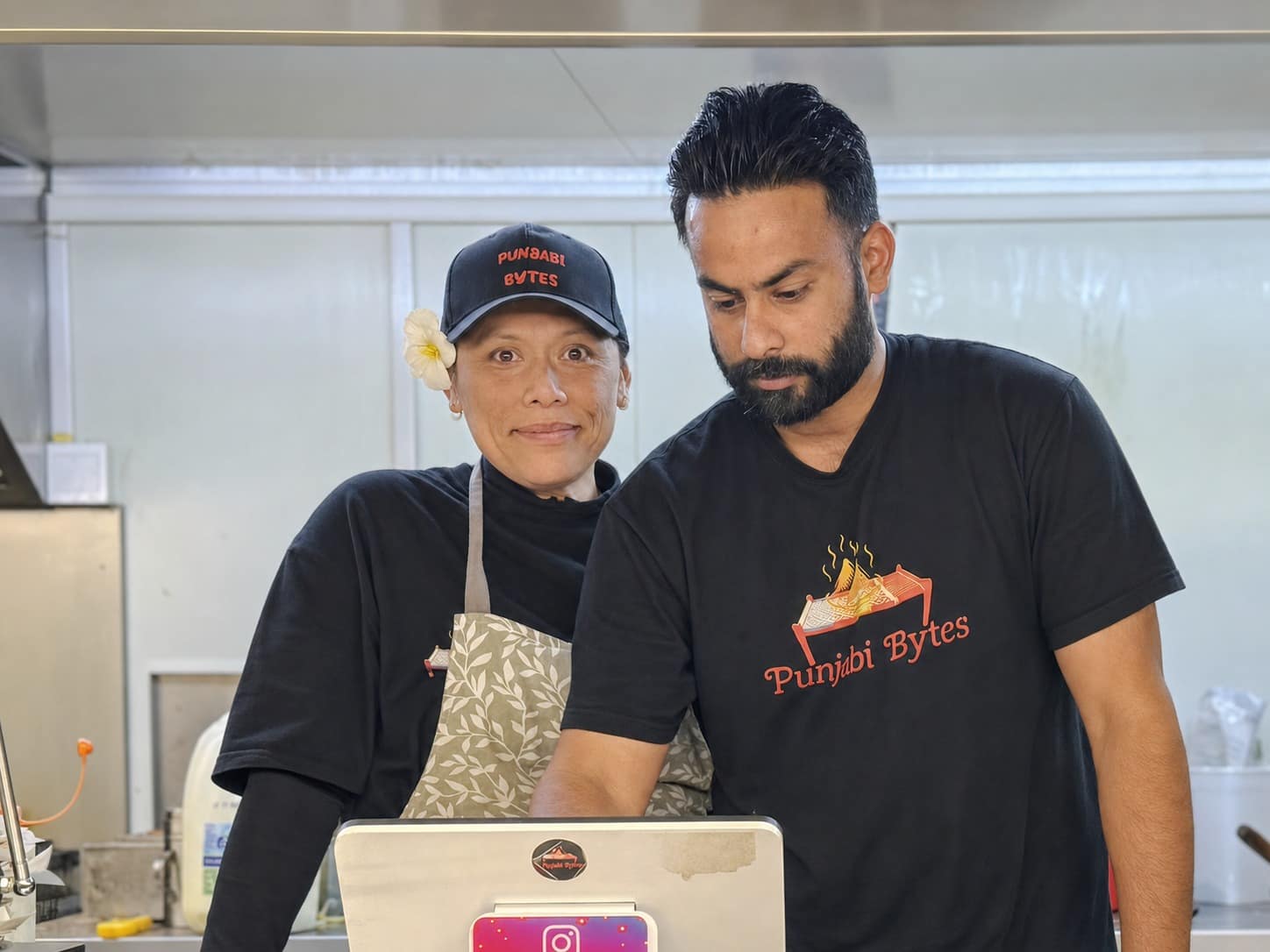
Punjabi Bytes was part of Brisbane Food Guide's early reporting at 118 Compton Road. The family-run Punjabi food trailer now serves from 440–448 Kingston Road in Slacks Creek. Satinder Singh leads the cooking while Sarah Nikola manages the front counter and wider operation. Their menu combines Punjabi curries and tandoor cooking with trailer-friendly formats such as loaded chips and cheesy naan tacos. Read Satinder and Sarah's founder story.
Claudia runs Zesty Cup alongside full-time work, developing dirty sodas, fruit refreshers and energy-drink combinations by testing sweetness, acidity and flavour ratios rather than simply pouring syrups together. We met her at the earlier Woodridge site; Zesty Cup now trades at Hope Centre, 440 Kingston Road, Slacks Creek, alongside Punjabi Bytes. Read Claudia's founder story.
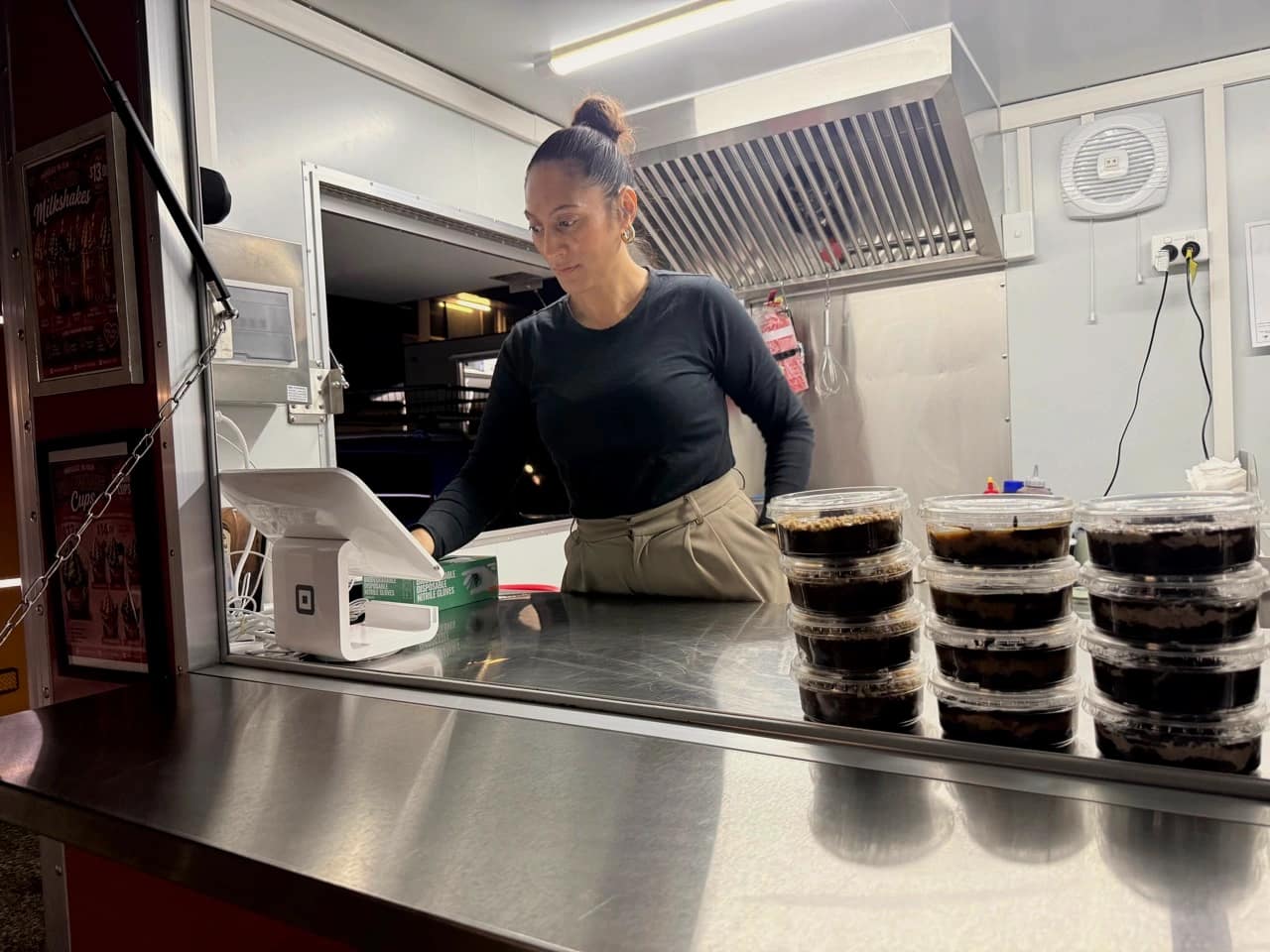
Vanilla Bar adds another part of the night-time economy: fresh brownie sundaes and desserts made by Dixie, who left a 14-year real estate career while raising six children and built a business intended to create a different relationship between work and family. Vanilla Bar has also moved to the Hope Centre site at 440-448 Kingston Road, Slacks Creek. Both relocations were checked against the businesses' official profiles on 11 September 2026; our photographs document their earlier Compton Road chapter. Read Dixie's founder story.
The address is also home to Country Fresh Food Products, a specialist food store at Unit 2. Kuzine Turkish Street Food, a mobile Turkish food truck documented by Brisbane Food Guide, also trades around Logan and publishes its current location on Instagram.
Together, Country Fresh Food Products, Punjabi Bytes, Zesty Cup, Vanilla Bar and mobile operator Kuzine show how independent food businesses build connections across Logan, even as their trading locations change.
Together, they show why Logan's food culture deserves to be documented as more than a directory of places.
The food matters, but the people explain why the place matters.
From the reporting
The people, counters and dishes already in the record
Original Brisbane Food Guide photography made during visits and interviews in Woodridge and Underwood.
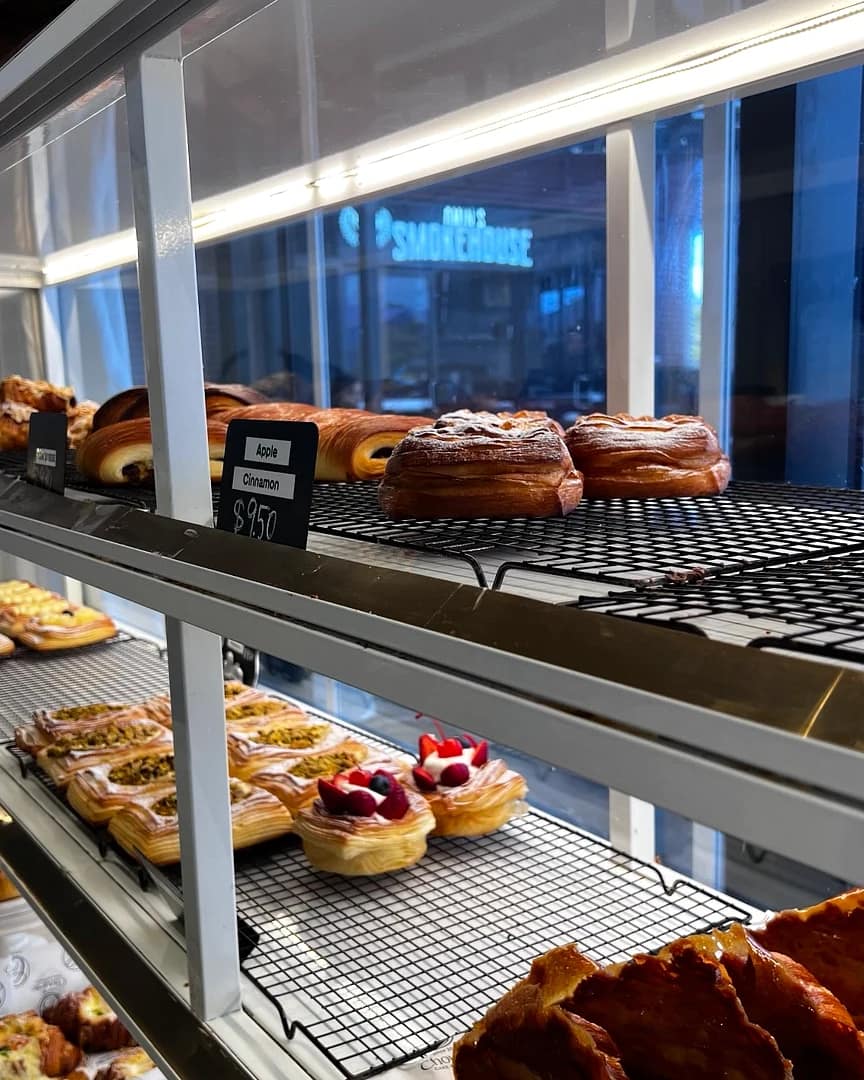 Chouette Cake & Dessert / Underwood / Photo: GP
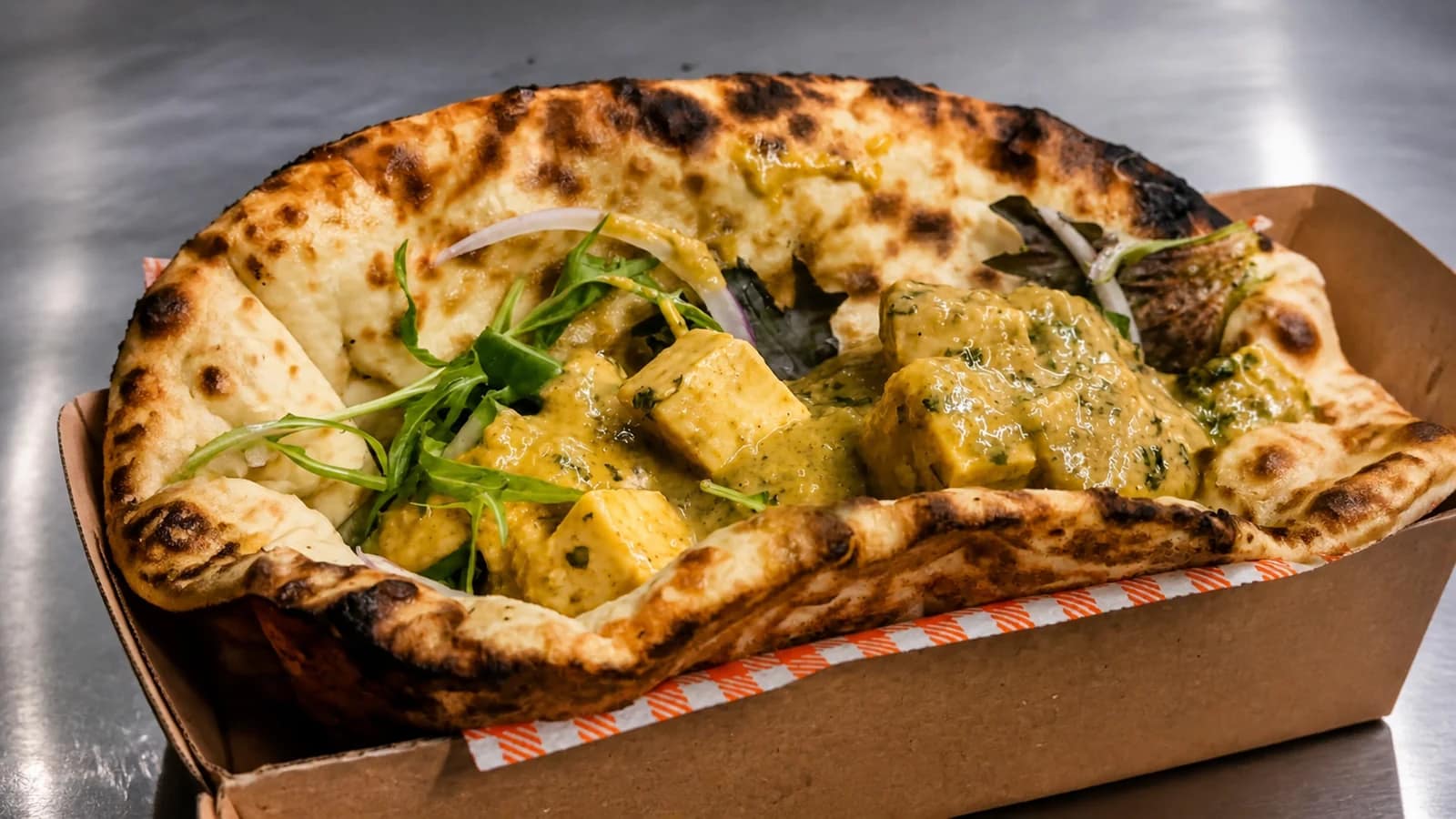 Punjabi Bytes / Woodridge / Photo: GP
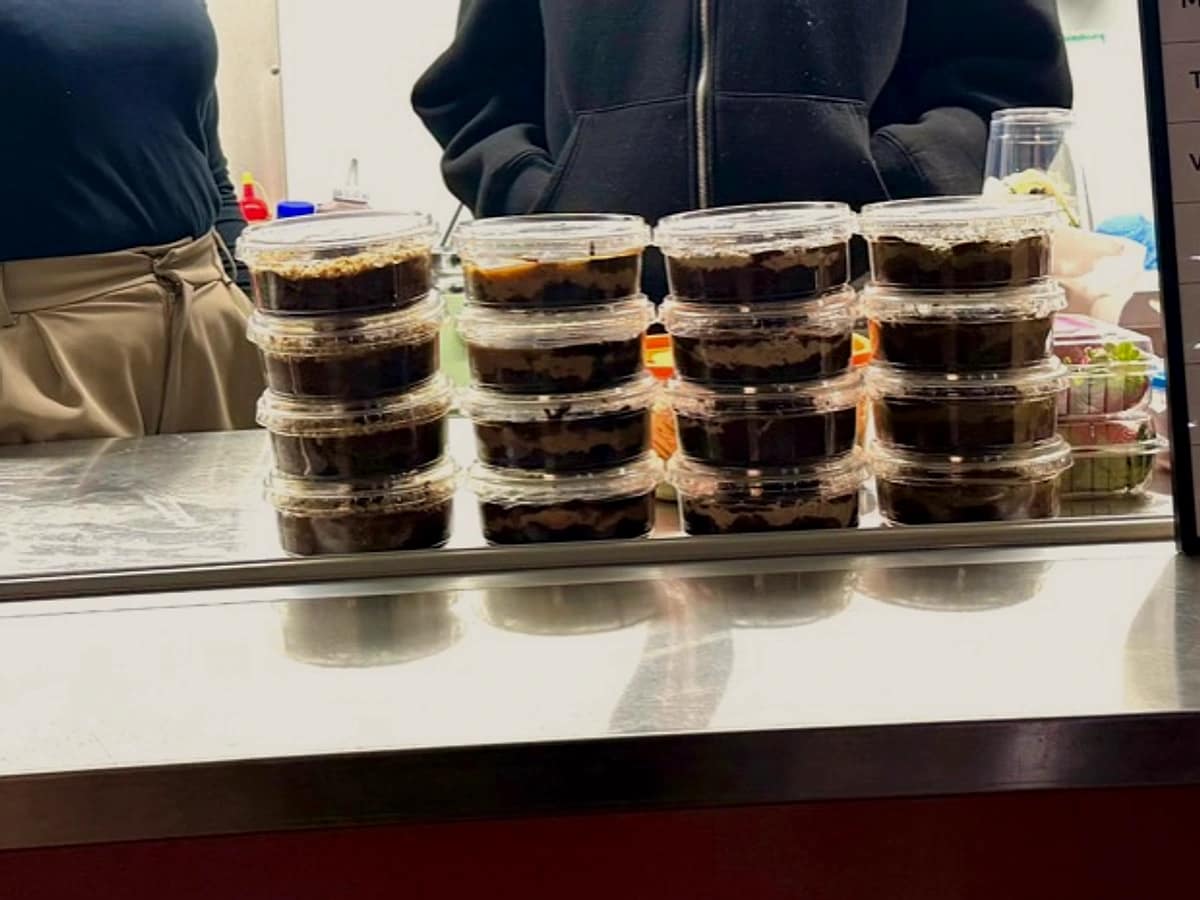 Vanilla Bar / Woodridge / Photo: GP
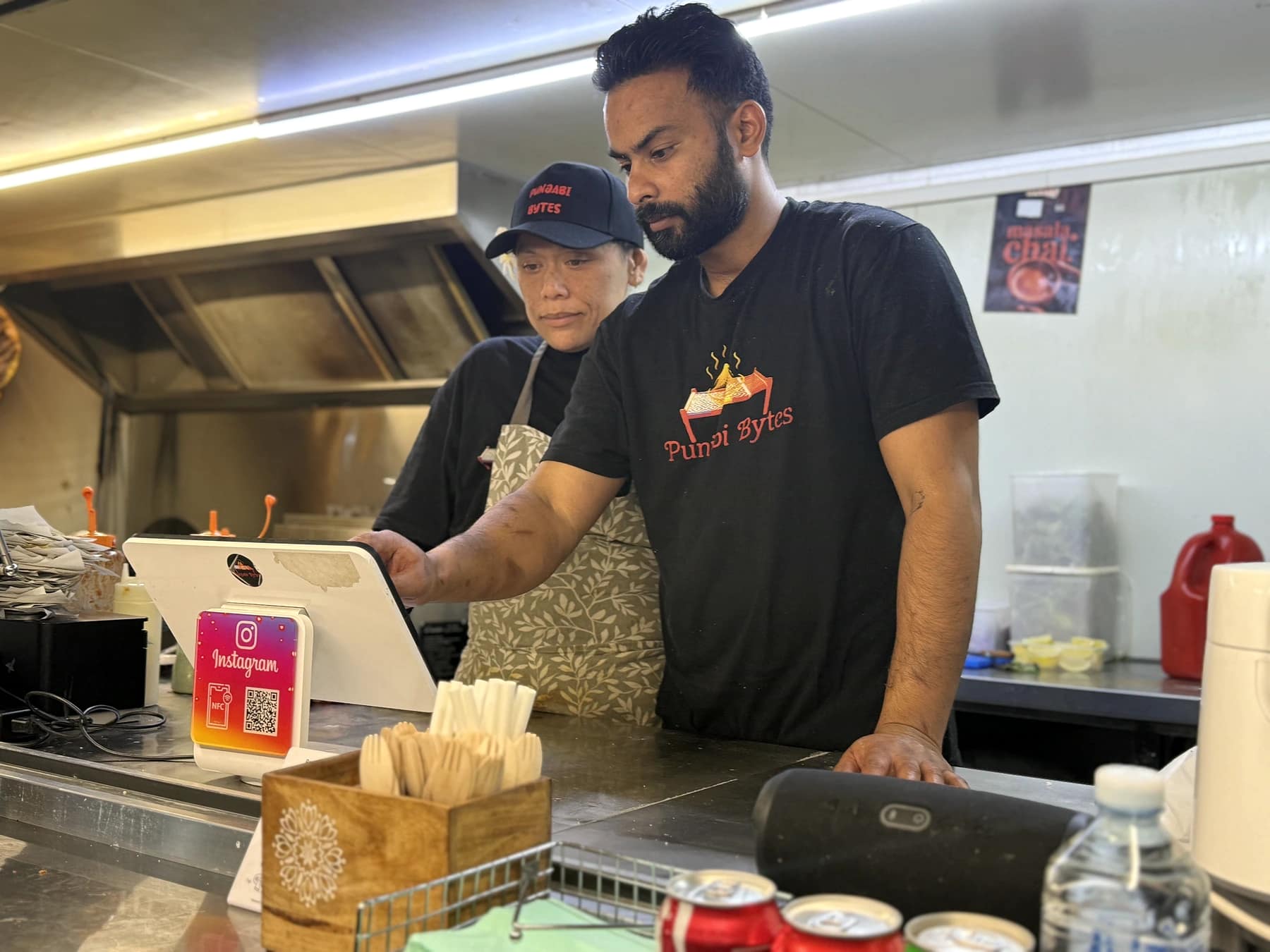 Punjabi Bytes during service / Woodridge / Photo: GP
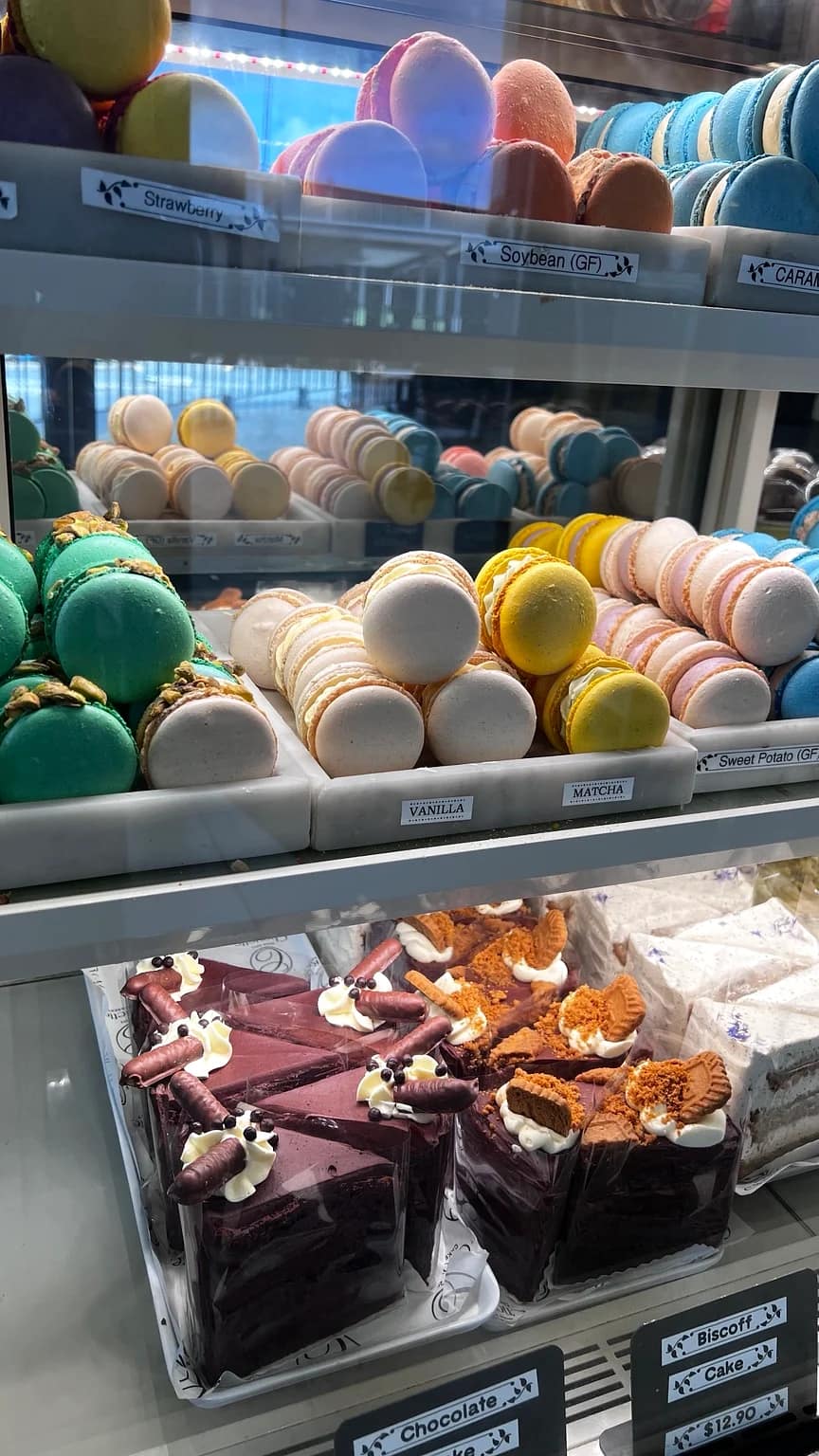 Chouette Cake & Dessert / Underwood / Photo: GP
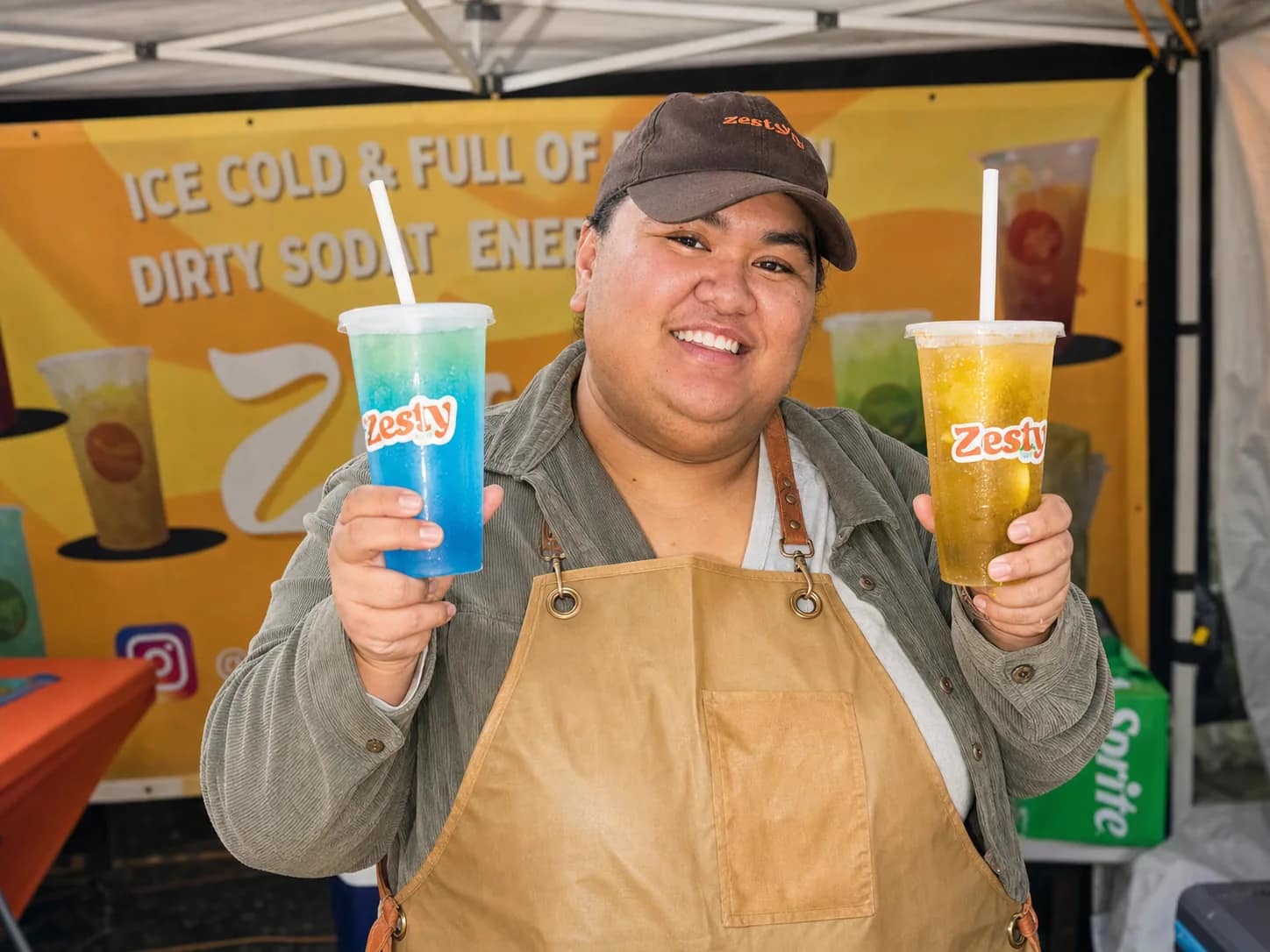 Zesty Cup / Woodridge / Photo: GP
The working map
11 current pins
Where the record reaches today
These are the Logan-area profiles in Brisbane Food Guide that currently have verified map coordinates. Select a marker to open the business profile. This is a live reporting footprint, not a claim to cover every food business in Logan.
More doors already in the record
The reporting is broader than one Compton Road cluster. Brisbane Food Guide's current Logan profiles also reach bakery cabinets, charcoal grills, cafes, food trailers, juice counters, sushi bars and family restaurants across Underwood, Slacks Creek, Springwood and Loganholme.
This is still not a complete map of the city. It is a practical starting record, with each profile linked to the business information currently available to us.
Logan does not lack a food scene. It lacks a record equal to the people building it.
Logan moves differently
Mobile and market-based food businesses are an important part of the city, although there is no reliable public live count of every operating food truck, trailer, van and stall.
Logan City Council requires roadside food vendors to hold the relevant permits and licences, while markets and events host changing vendor line-ups. That makes any supposedly exact number unstable unless somebody actively maintains a citywide database.
What can be said confidently is that mobile food is embedded throughout Logan's event and market culture.
Mingle Markets in Yarrabilba works with more than 60 recurring vendors across food trucks, crafts and other stalls. Distillery Road Market in Eagleby combines permanent food-and-drink operators with markets, entertainment and events. Council-run festivals also regularly include food trucks and mobile vendors.
This is one area Brisbane Food Guide intends to investigate properly: who is trading, where they move, what they serve and which businesses are building something lasting from a mobile format.
The useful question is not simply, “How many food trucks are in Logan?”
It is:
Who are the people inside them, and where can customers actually find them?
What Council is already doing
It would be inaccurate to say Logan's food scene has received no public attention. Explore Logan is Logan City Council's official destination brand, and it already publishes food trails, market information, itineraries, visitor guides and eat-and-drink listings.
Council's Destination Management Plan 2023–2028 sets out goals to increase visitor spending, strengthen the destination brand, build a more engaged and trade-ready tourism industry, and develop events that create demand. Food and cultural experiences sit naturally inside that visitor-economy work.
There is also practical business support. The Logan Office of Economic Development advertises free and low-cost support, workshops and advice for Logan businesses. Council's Place Making Incentive Program can support eligible public-facing improvements including outdoor dining furniture, shopfront signage, lighting and street activation.
That work matters. But destination marketing, regulation and business support are not the same as an independent, continuously maintained food record. Council can promote the city and create useful conditions; the businesses still build the food culture, and independent reporting still has to document it accurately.
Underrated is not quite the right word
Calling Logan's food scene “underrated” is flattering, but incomplete.
Many Logan locals already know where to eat.
They know which bakery sells out, which stall makes the breakfast worth waking up for, which family restaurant handles the big order properly and which trailer is open when the usual options have closed.
The gap is not always local appreciation.
The gap is documentation.
A restaurant in Fortitude Valley can become part of Brisbane's public food identity almost immediately. It may receive opening coverage, professional photography, searchable articles and repeated social exposure.
A family business in Woodridge, Underwood or Slacks Creek may serve its community for years while leaving only scattered digital traces.
That does not mean the business is less significant.
It means the record is incomplete.
Recognition changes what a small business can become
Being documented properly does more than create a flattering article.
A clear business profile can give customers an accurate address, menu context and direct links. A founder story can explain why the business exists. Original photographs and video can show the people and work behind the product. Search visibility can help a small operator become discoverable beyond its existing circle.
None of that guarantees success.
But it gives the business an identity that lasts longer than one social post.
That is especially important in a city like Logan, where so much of the food scene is independent, dispersed and built through family labour.
Recognition should not only arrive after a business becomes large enough to no longer need it.
Logan does not need to become the next Fortitude Valley
The point is not to compare Logan with Brisbane's inner city until it receives permission to be considered interesting.
Logan does not need to become the next Fortitude Valley, James Street or Fish Lane.
Its value comes from being itself.
Its food scene reflects a large, young and culturally varied city positioned between Brisbane, Ipswich and the Gold Coast. It includes early-morning markets, suburban cafés, destination bakeries, family restaurants, industrial-area kitchens, food trailers and emerging precincts.
There is polish here, but there is also improvisation.
There are established operators, but there are also people beginning with a tent, a trailer, a borrowed recipe, a second job or a family member beside them.
That mixture is the story.
This is only the first chapter
This article is not a definitive guide to eating across Logan.
It would be dishonest to pretend that a city this large and varied can be fully explained after visiting a few suburbs or publishing several founder stories.
This is a statement of intent.
Brisbane Food Guide will continue documenting Logan through:
- independent business profiles,
- original founder stories,
- suburb guides,
- food-truck and market coverage,
- dessert and bakery features,
- practical information,
- and first-hand visits across the city.
The work will begin where our access and reporting are already strongest, including Woodridge, Underwood and surrounding Southside communities, before expanding further across Logan.
Because the more closely you look, the clearer the pattern becomes.
Logan does not lack a food scene.
It lacks a record equal to the people building it.
And that record is worth creating.