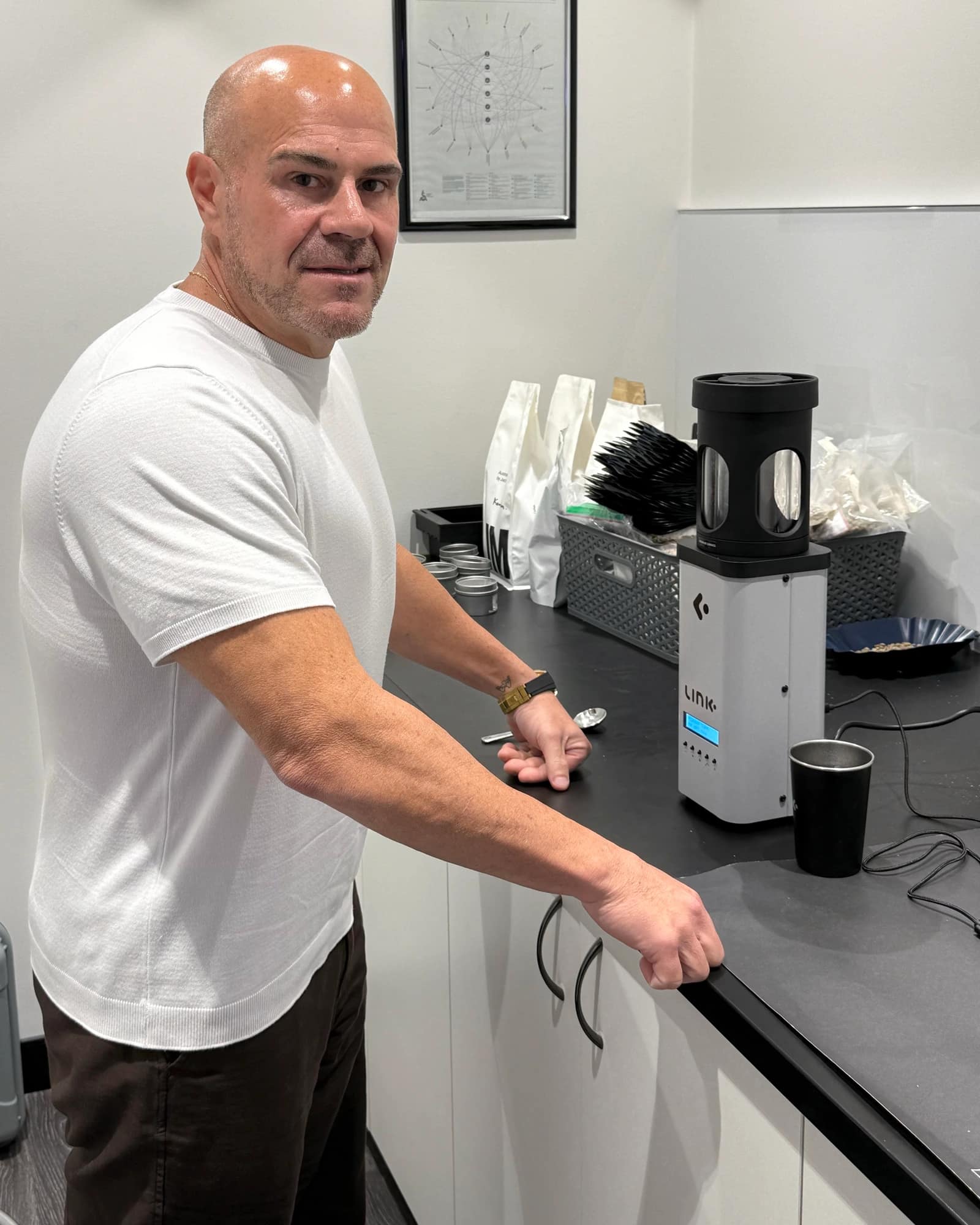
When we ask Phillip Di Bella what happens if the family does not want the business, he has an answer ready.
His daughter, he says, is interested in AI and robotics engineering. His son is considering law, international business and diplomacy. There might be an interest in the business there, but he does not describe either child as a successor waiting in the wings.
They have their own interests. The question leaves room for those interests to matter.
For someone whose surname became a familiar part of Australian coffee, it is an interesting place to begin. Di Bella has spent years building businesses and talking about the people behind them. But a family name on a bag of coffee does not tell you what the next generation wants to do.
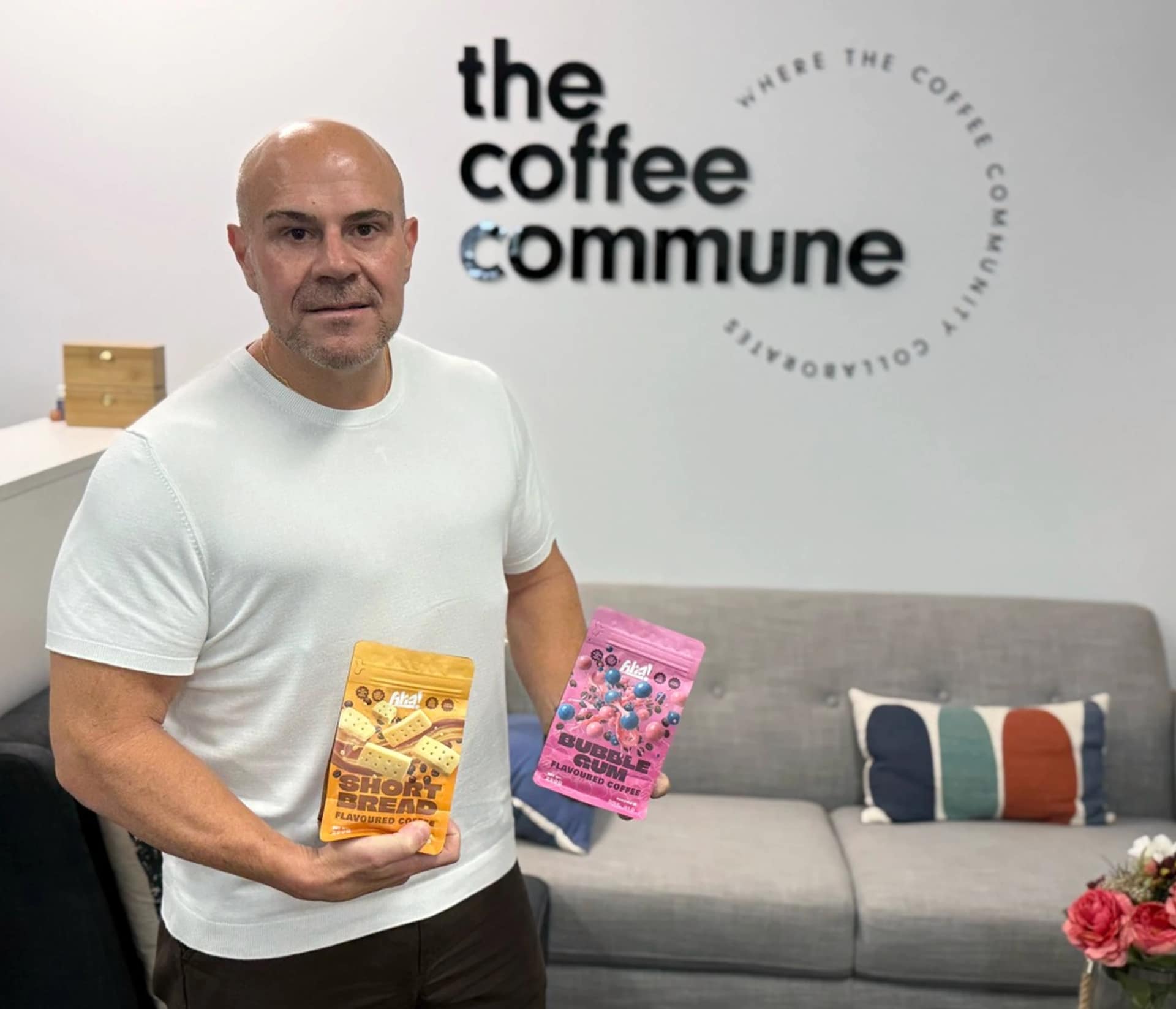
During our conversation at The Coffee Commune, we keep returning to that distinction: the things you can build, and the things you cannot decide for somebody else.
Learning to step back
A business that needs him less
Di Bella founded Di Bella Coffee in 2002. Selling it required him to separate his identity from a company that carried his surname, something he describes as one of the hardest parts of that journey.
Even now, he says, people sometimes speak to him as though he still owns it.
He understands the association. A founder leaves a mark on a business through the decisions they make, the people they employ and the standards they expect. Selling the company does not immediately remove that connection from everyone else's mind.
At The Coffee Commune, we ask a different question: if it becomes everything he wants it to become, what should eventually stop needing him?
He says the team is helping him move in that direction. Knowledge has accumulated. People around him can take on more responsibility. He can step further back.
Then he explains why stepping back is not straightforward.
Growth, he says, has come alongside pressure on gross profit. That requires him to stay close to how the business operates. The work of making it less dependent on its founder continues while the founder is still watching its commercial health.
It is a useful detail in a conversation about legacy. There are people to develop, systems to strengthen and costs to manage before a business can reliably carry on without the person who started it.
Di Bella says he has asked himself whether he remains the right person to lead as a company grows. Earlier in his career, he brought an accountant, a lawyer and a marketing adviser around him because those were areas where he needed support.
"I wanted to be challenged," he tells us.
That willingness matters alongside the confidence. He can explain what he believes with considerable certainty, while acknowledging that the business may eventually need something he cannot provide himself.
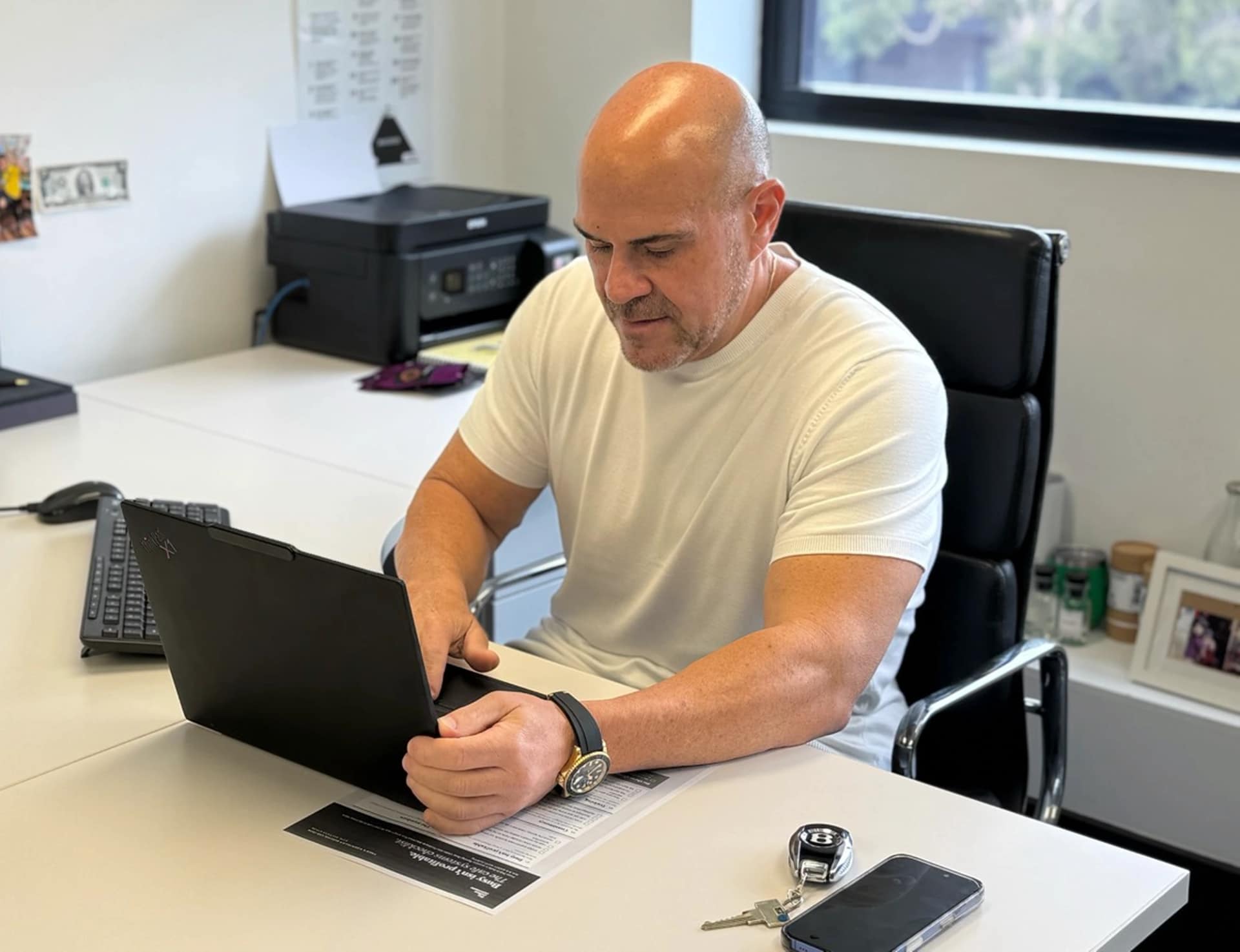
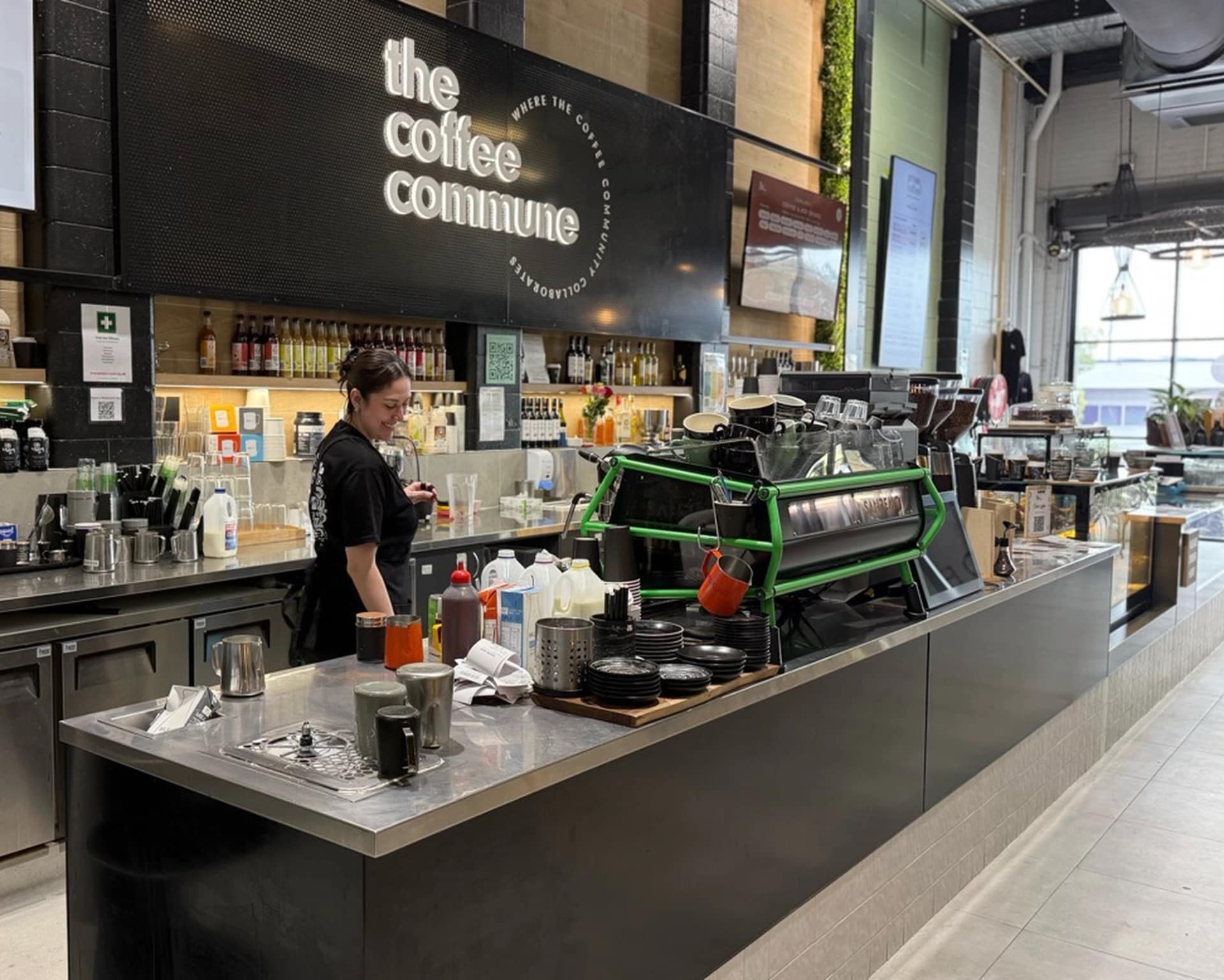
The Coffee Commune
Room for other people's businesses
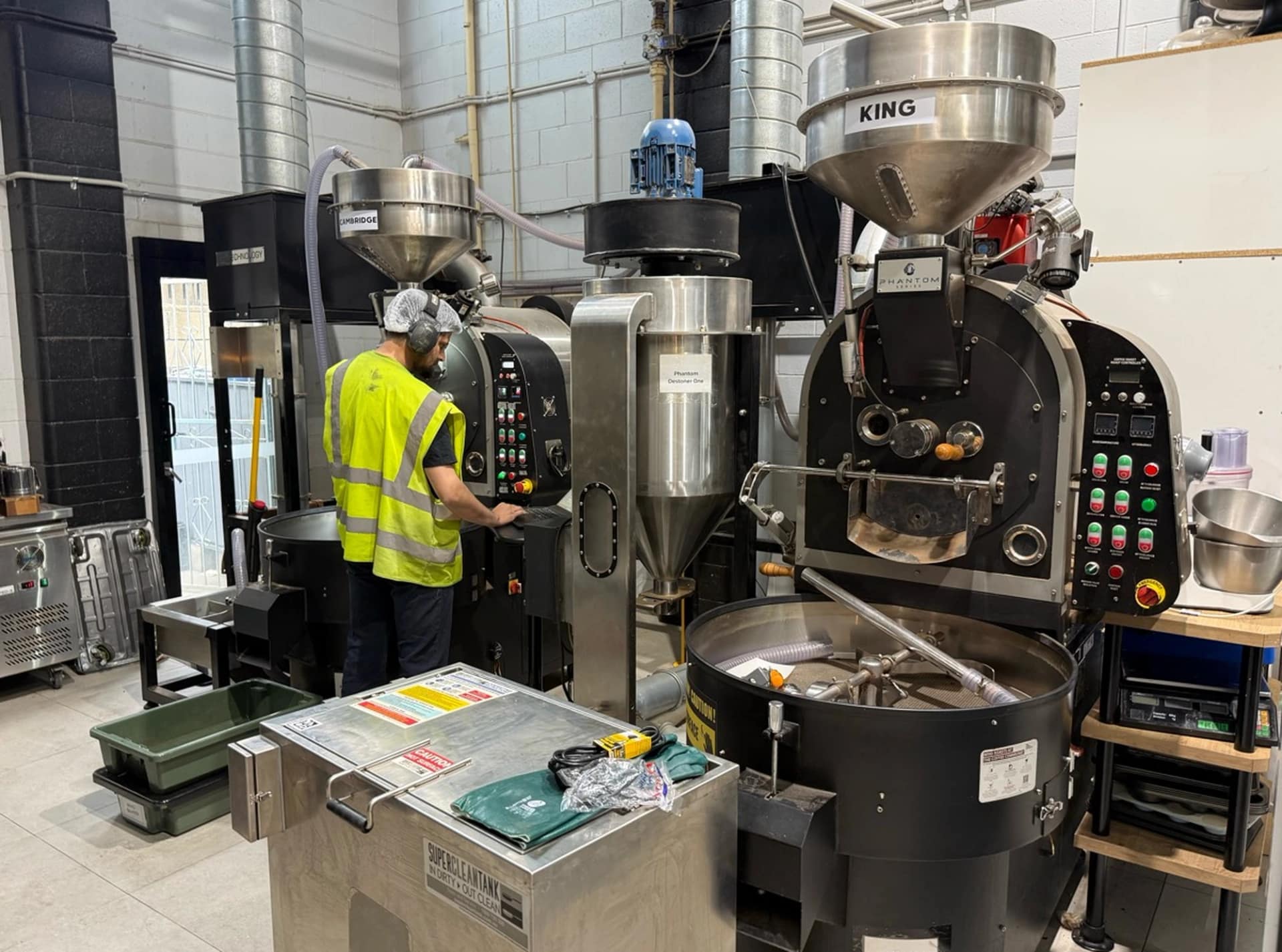
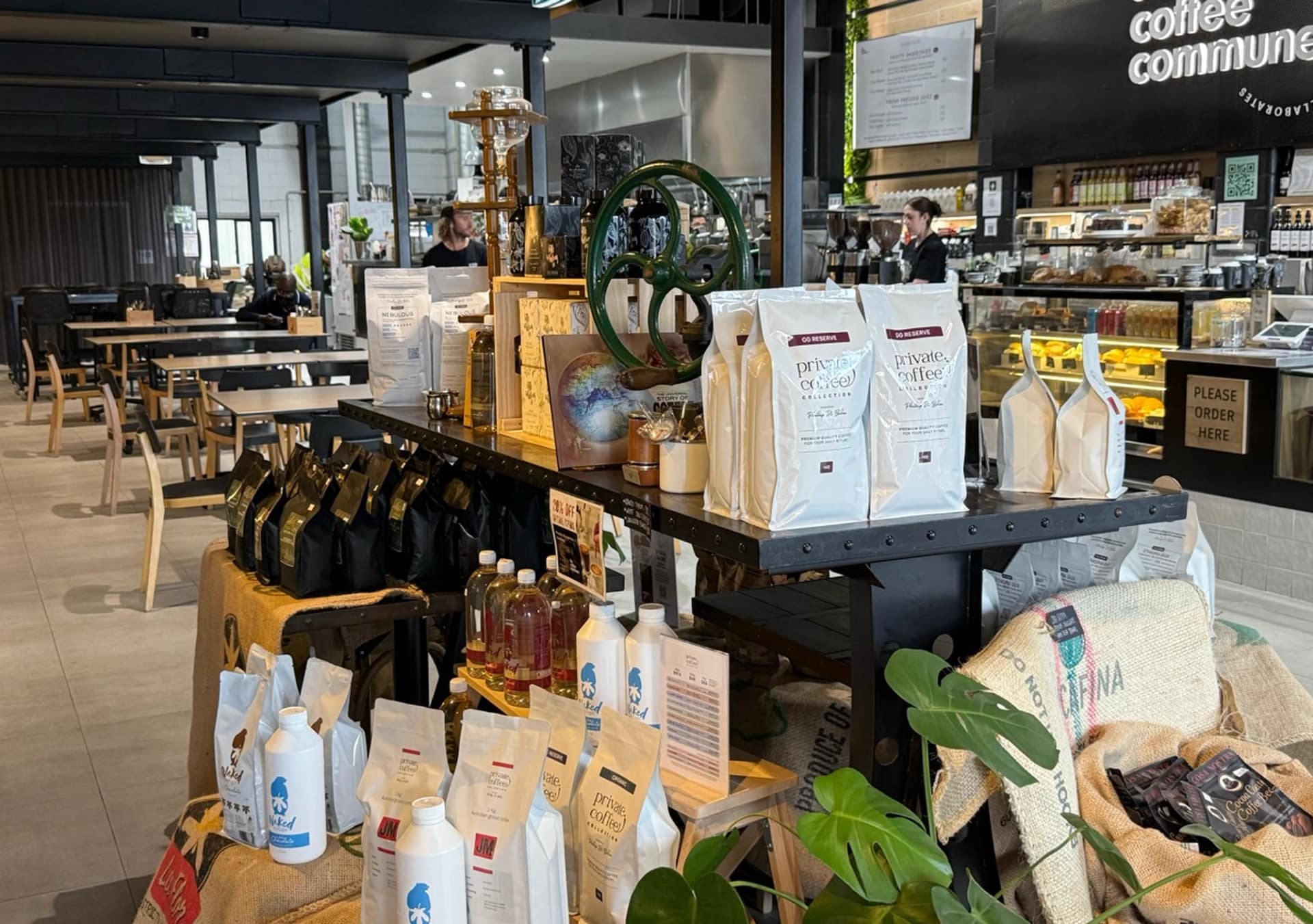
The Coffee Commune brings some of those ideas into physical form.
Roasters can use shared equipment to develop their businesses, handle larger orders or keep working when their own machinery breaks down. The facility supports businesses with their own products and identities.
Di Bella traces the idea back to difficulties he experienced himself: limited buying power, equipment failures and the prospect of roasting late into the night after a breakdown.
Those memories give the project a practical foundation. Collaboration means having somewhere to turn when a problem is too expensive or difficult to solve alone.
He believes more businesses will work this way, sharing infrastructure while concentrating on their brands and customer relationships.
For a cafe owner, that relationship is often built in small, repeated encounters. A familiar order. A conversation at the counter. The feeling that someone has noticed you came back.
Di Bella talks about technology in that context too. He describes using AI behind the scenes for research and analysis, including a weekly report bringing together information about the global coffee market.
But he wants the emotional connection with customers to remain human.
It is a telling boundary for someone interested in efficiency. He sees opportunities to reduce the work happening behind the scenes, while keeping people responsible for the encounters that make a business feel worth returning to.
More than a surname
What his children receive
When we ask whether his younger self would think he had made it, Di Bella's answer moves beyond the business.
He talks about health, family and having enough time and resources to choose how he lives. He uses the word harmony to describe how those parts should fit together.
He has spoken publicly before about the cost of neglecting his health. In our conversation, the significance is in how he measures success now.
A business can grow while other parts of life become harder to sustain. He knows that from experience. The question of whether he has made it cannot be answered by looking at the company alone.
His father's advice remains part of that measure. Di Bella recalls an expectation to respect work, family and health. Work provided the means to live the life you wanted, but health was also one of the resources that made that life possible.
His children may take those values into fields far removed from coffee.
That makes the question of inheritance more interesting. They can benefit from what he has learned without taking over what he has built. Advice, support and the freedom to choose may travel further than a business handed down intact.
When we ask whether future leaders changing his work would threaten his legacy, he does not describe a need to keep everything fixed.
"I can't control other people. I can only control me."
He judges legacy through the people who matter to him and the effect he has had on their lives. That leaves space for other people to make decisions he would not have made.
A message to Brisbane
A little more patience
Towards the end of the interview, we ask what he would like to say to Brisbane.
He asks for more patience with small and medium business operators.
They are taking risks, employing people and trying to serve customers, he says. There are many moving parts behind an ordinary visit to a cafe or restaurant, particularly when trading is difficult.
His example is modest. If he orders scrambled eggs and fried eggs arrive, he may simply eat them. If he wants the order corrected, he can ask without making the exchange unpleasant.
After a conversation about growth, identity and what survives a founder, it is a grounded place to finish.
The businesses Di Bella wants to support are places where people work, make mistakes, learn and try again. Their future depends on the numbers, but also on whether the people involved can keep doing the work.
His own children may build their lives elsewhere. The Commune may change as others take on more responsibility.
There is still something he can pass on: what he knows, the support he can offer, and room for someone else to carry it forward.
Food & Hospitality Queensland
Hear him in person
Phillip will bring that practical experience to Food & Hospitality Queensland, taking place at the Brisbane Convention & Exhibition Centre on 12 and 13 October 2026.
He is speaking on the Cafe Success Stage on Monday 12 October, from 10-10:30am, with a session titled Turning Busy Cafes into Profitable Machines: The Systems Every Successful Cafe Needs.
In our interview, he describes the starting point simply: understand your numbers and understand your customer. His session takes those ideas into the everyday decisions that help a cafe operate sustainably.
If you work in hospitality and are heading to the show, make time to listen. And if you get the chance to chat afterwards, bring a question from your own business. Those everyday challenges are where much of his experience began.
Interview and photography by Brisbane Food Guide. Plans and details reflect our conversation with Phillip; check the event programme for any changes.
The business
The Coffee Commune
Bowen Hills, Brisbane
Visit The Coffee Commune website